
Last updated November 2, 2026
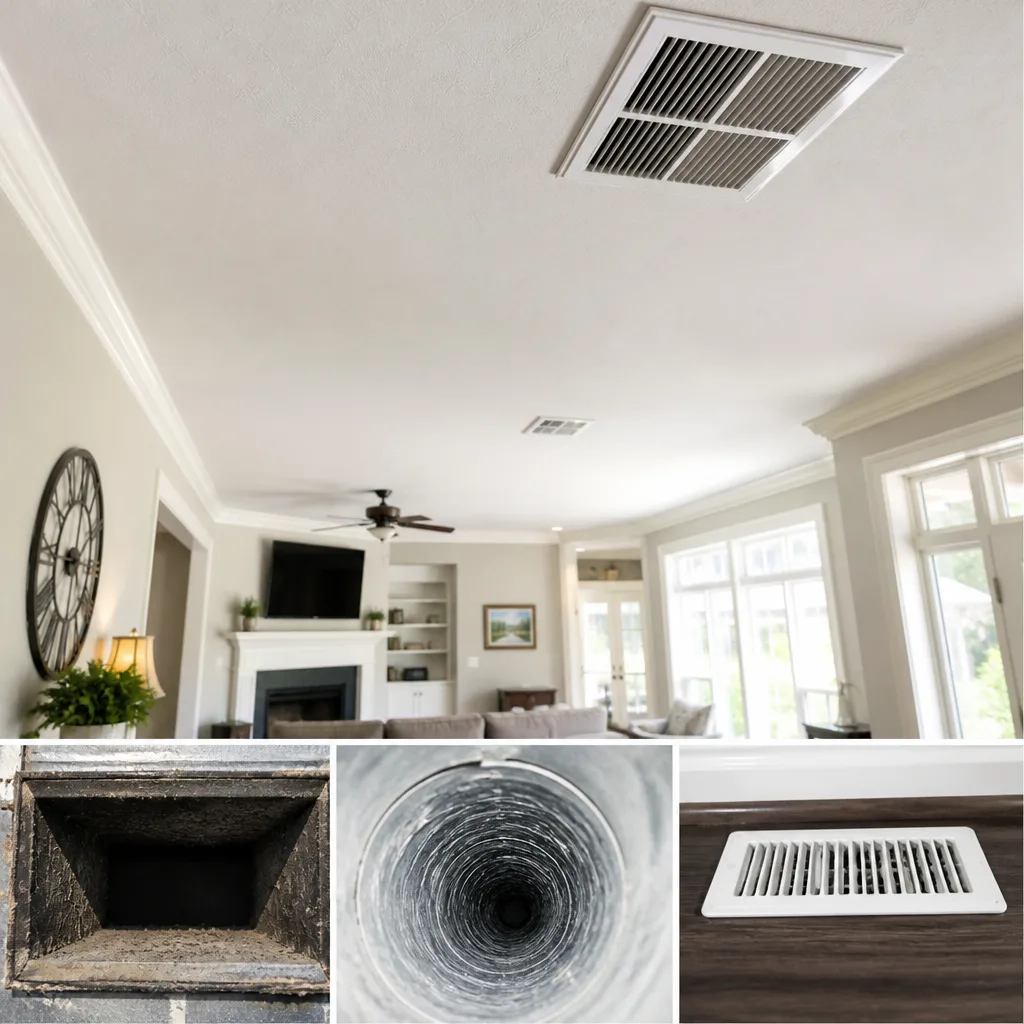 Whole-home duct cleaning
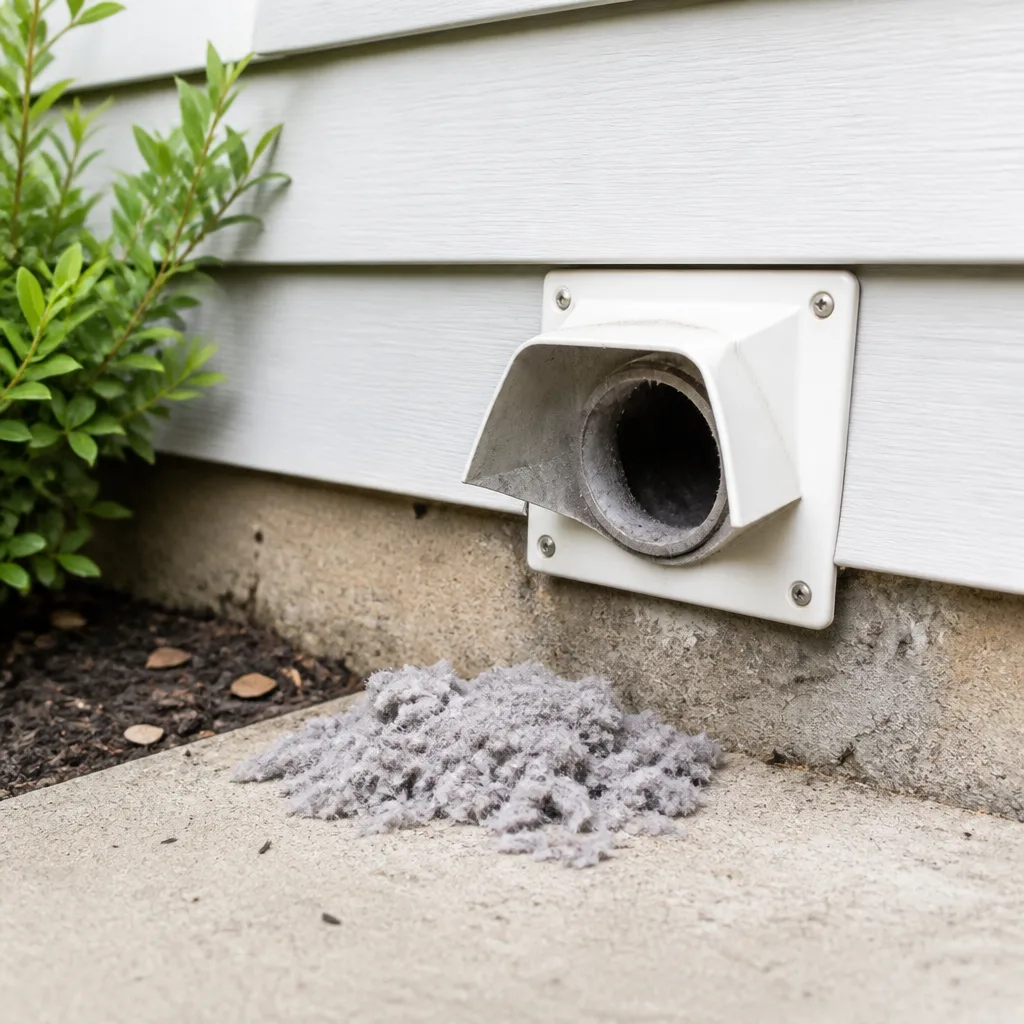 Dryer vent cleaning
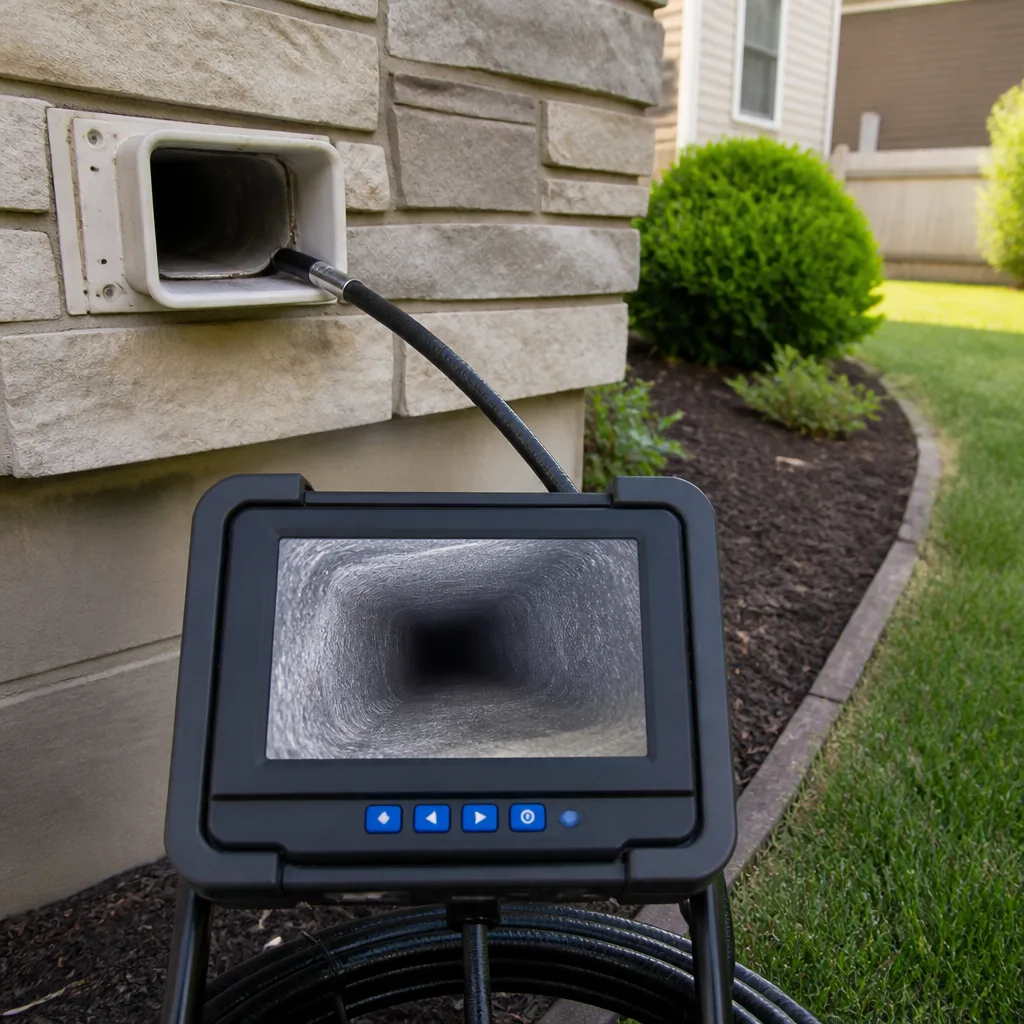 Camera inspection
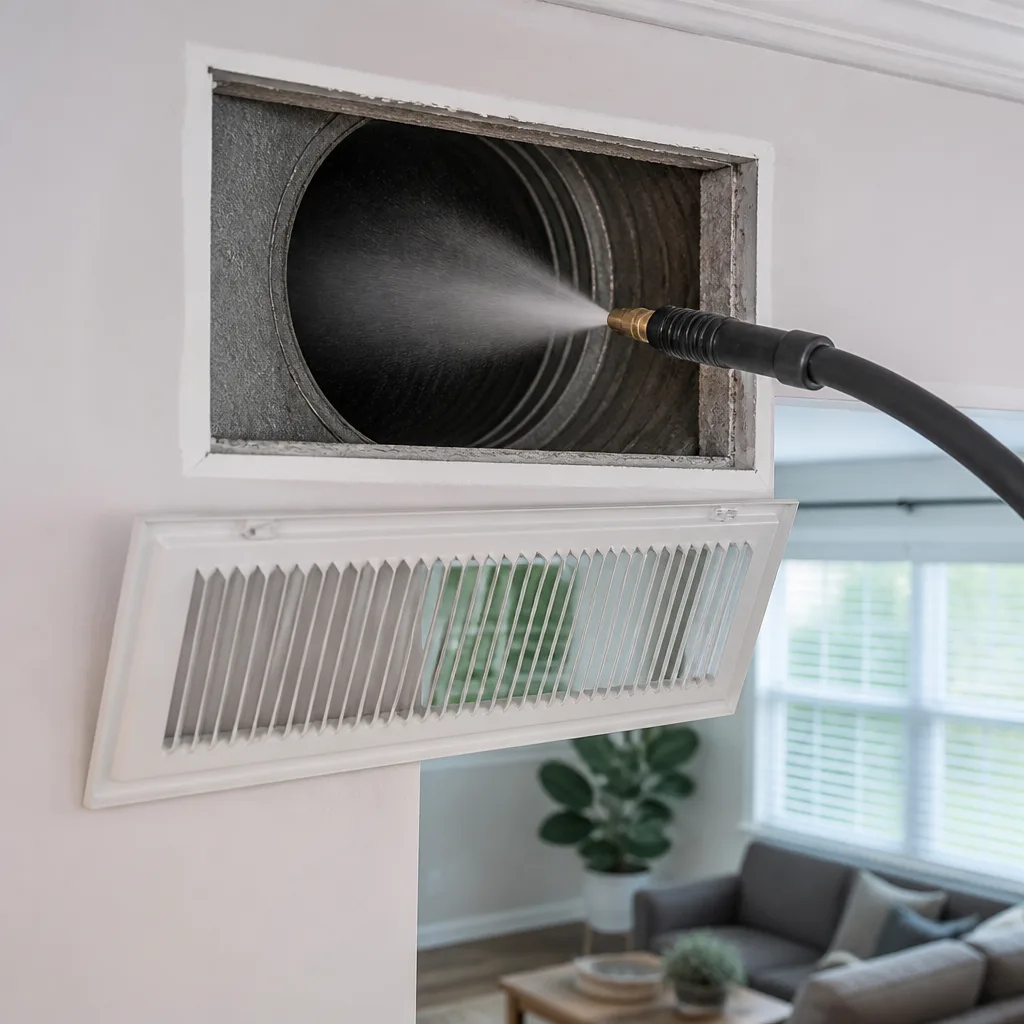 Sanitizing & deodorizing
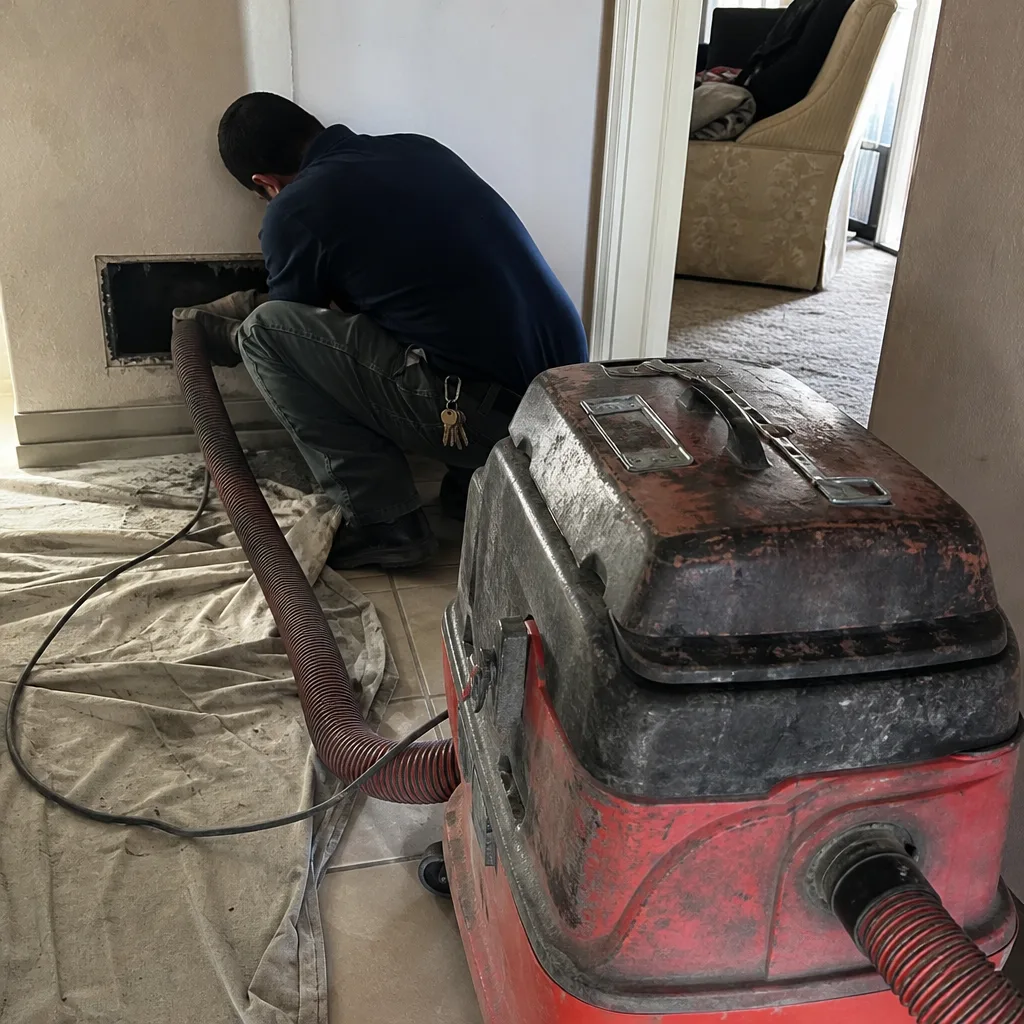
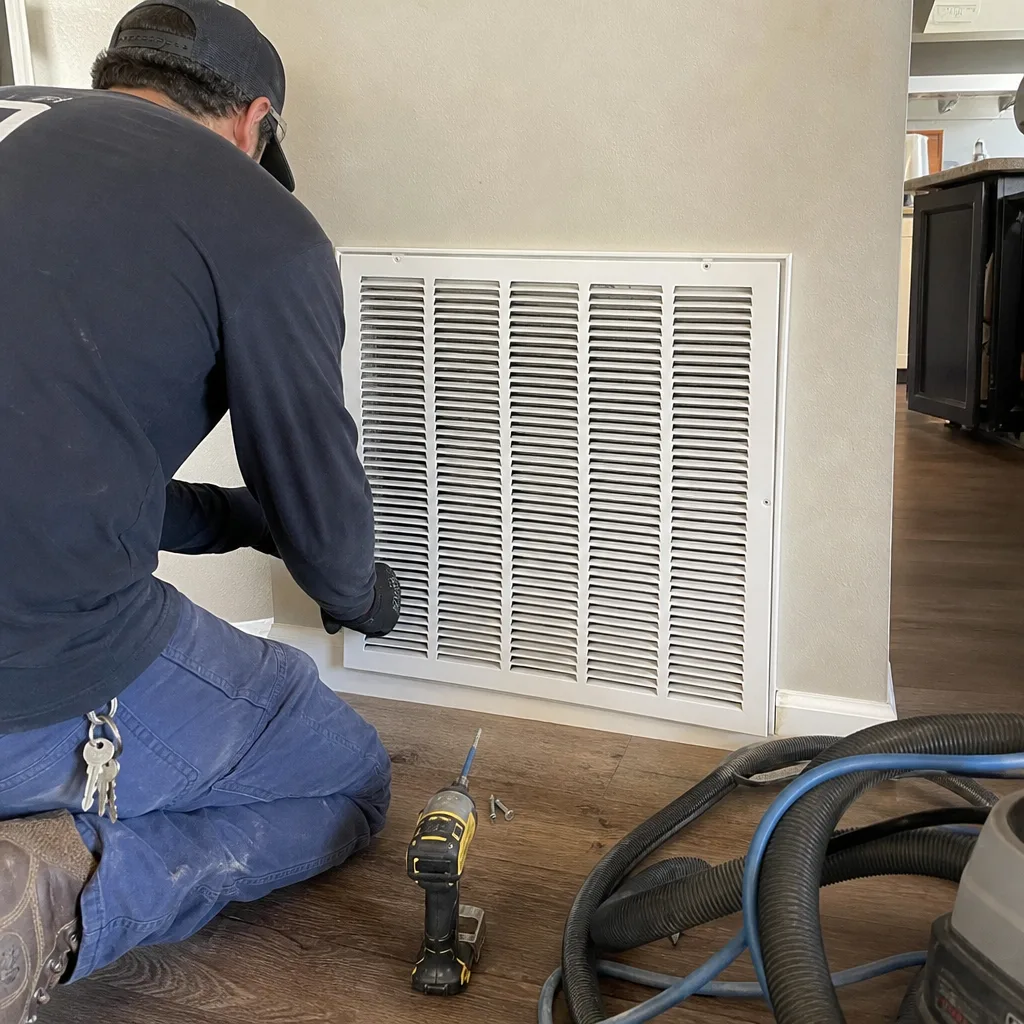
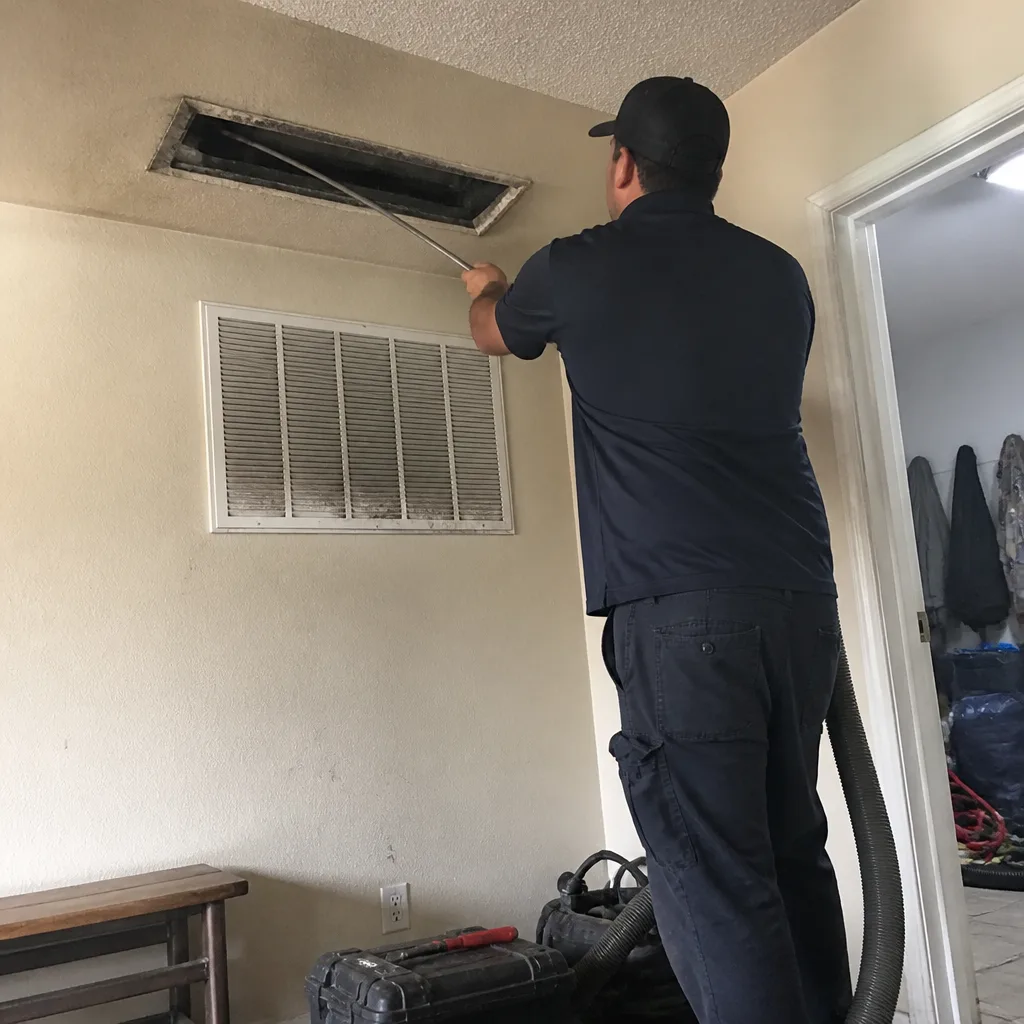
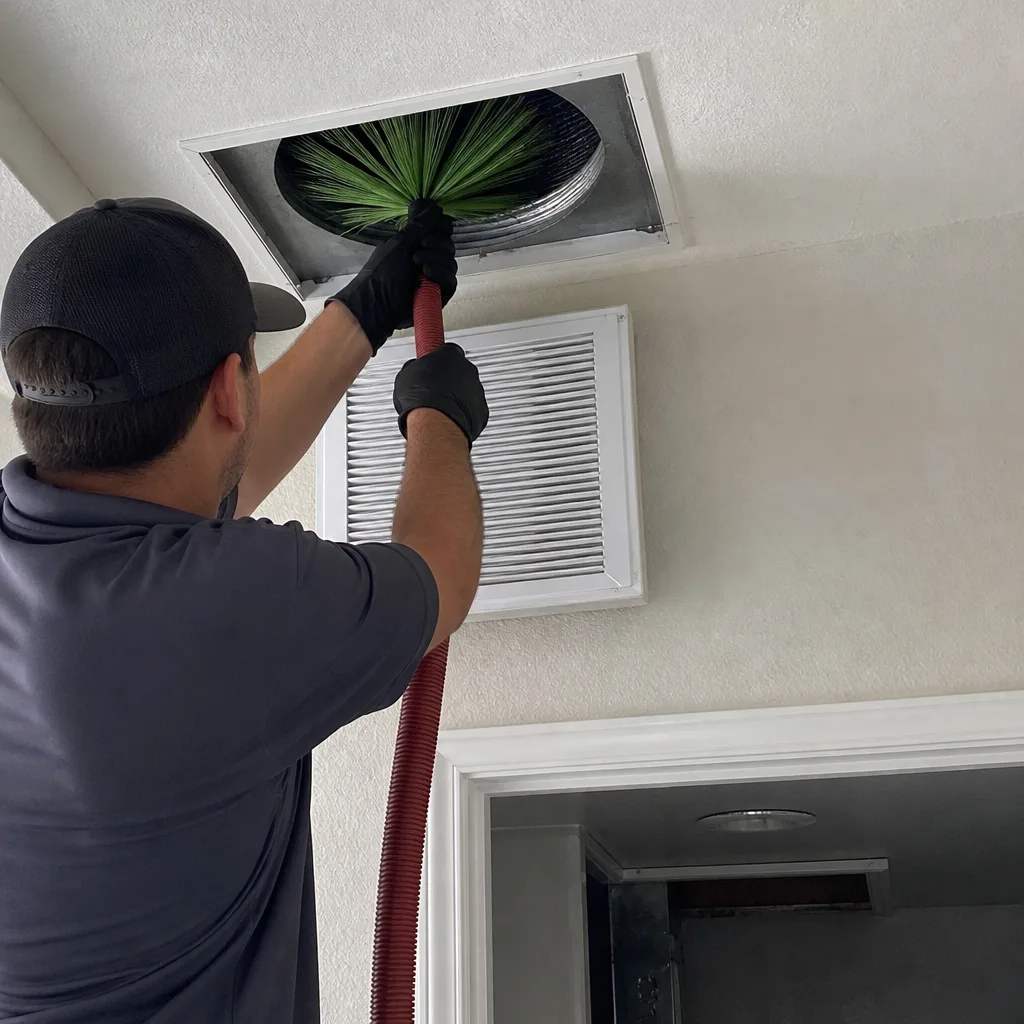
Whole-system duct and dryer vent check with before-and-after photos - you see exactly what came out of your vents
That "$99 whole-house special" is a bait ad - the real number appears once they are in your hallway, or the "clean" is a shop-vac at the register. We photograph the inside of your ducts before and after instead.
Air Duct Cleaning Warning Signs: A Cathedral City Homeowner’s Reference Guide
Uneven cooling between rooms is one of the most-Googled complaints in Cathedral City every summer. But here’s what most homeowners don’t realize: when one bedroom feels like a meat locker and the hallway feels like a sauna, the problem usually isn’t your air conditioner. It’s the ductwork carrying the cooled air. This guide connects what you see, smell, and hear in your home to the specific duct-system failure behind it, so when you call a specialist, you can describe the problem accurately enough to get a real diagnosis instead of a generic service visit. For The Complete Air Duct Cleaning Guide for Cathedral City Homeowners, see our companion resource.
Styles & brands we work with
- Whole-home duct cleaning
- Dryer vent cleaning
- Camera inspection
- Sanitizing & deodorizing
Quick Answer
The most reliable warning signs that your Cathedral City home needs duct cleaning are: visible dust plumes from registers when the AC kicks on, dust accumulating on surfaces within 48 hours of cleaning, rooms that never reach the thermostat setting, a musty or ammonia-like smell from vents, and debris visible inside the duct when you remove a register cover. If you notice two or more of these, your duct system needs Air Duct Cleaning services rather than another filter change.
Table of Contents
- The Desert Dust Signature: What Cathedral City’s Air Leaves Behind
- Register-Level Symptoms and What They Actually Mean
- Equipment-Level Signals: When the AC Unit Tells You the Ducts Are Failing
- Smell-Based Indicators: Distinguishing Rodent Activity From Mold From Normal Burn-Off
- Room-by-Room Temperature Imbalances and Duct Leakage
- How to Document What You’re Seeing Before You Call
- Common Mistakes to Avoid
- When to Call a Professional
- Frequently Asked Questions
- The Bottom Line
The Desert Dust Signature: What Cathedral City’s Air Leaves Behind
Cathedral City sits in the Coachella Valley, where the surrounding desert contributes a specific type of particulate to your home’s air. It’s fine, it’s white or pale tan, and it’s largely silica-based. This isn’t the gray lint-like dust you’d find in a coastal city. It’s finer, it travels further, and it behaves differently inside ductwork.
Here’s what we’ve learned from cleaning thousands of duct systems in Cathedral City, Rancho Mirage, and Palm Springs: desert dust doesn’t just accumulate. It stratifies. The finest particles stay suspended in the air stream and deposit on the interior walls of your supply ducts over time. Then, when your system cycles on, that accumulated layer gets disturbed and pushed into your living space.
The diagnostic clue is location and texture. If you’re finding a fine white or tan dust on surfaces near your registers, particularly on horizontal surfaces like windowsills, TV stands, and nightstands within five to eight feet of a supply vent, that’s duct-system particulate being blown out. If the dust were coming from outside through open windows or doors, you’d see it concentrated near those openings, and it would have a grittier texture.
This is one of the most common patterns we encounter in Cathedral City homes. The homeowner assumes the dust is just “desert living” and buys another air purifier. But the dust is already inside the envelope of the home. It’s being recirculated, not infiltrating. The solution isn’t more filtration at the return; it’s removing the reservoir of accumulated particulate from the ductwork itself. A thorough Air Duct Cleaning in Cathedral City addresses the source, not the symptom.
Register-Level Symptoms and What They Actually Mean
Your supply registers are diagnostic windows into your duct system. Most homeowners never remove them to look inside. We recommend you do, because a visual inspection tells you more than any list of symptoms ever could.
Symptom 1: Visible debris clinging to the register fins
Remove a supply register (the ones that blow air out) and look at the metal fins. If you see a grayish or tan mat of material clinging to the fins’ edges, that’s the leading edge of what’s accumulated inside the duct. In Cathedral City, this material is often a mix of silica dust, skin cells, and fibers from carpet, bedding, and clothing. It means the duct interior has a significant accumulation layer. The register is just the part you can see.
Symptom 2: Rust-colored flakes or granules under the register
This is a Cathedral City-specific signal that most generic warning-sign articles miss entirely. Many homes here were built between the late 1970s and early 2000s using flex duct with a metallic foil outer liner. Inside that liner is insulation. When the outer liner degrades, tears, or gets chewed through by rodents, the insulation breaks down and the foil liner begins to corrode. The result is rust-colored flakes at the register, sometimes mixed with small granules of insulation material.
This is not a cleaning problem. This is a mechanical failure of the duct liner. It requires repair or replacement of the affected duct section. A reputable company will find this during cleaning and flag it. At Duct Cleaning Cathedral City home service, our team routinely identifies compromised flex duct during cleaning and offers Air Duct Repair in Cathedral City to address the structural failure, not just vacuum out the debris.
Symptom 3: No airflow at one register while others blow normally
A register with no airflow, or dramatically reduced airflow compared to its neighbors, usually indicates a disconnected or collapsed duct segment. In Cathedral City attics, summer temperatures routinely exceed 140 degrees. That heat accelerates the degradation of flex duct connections. Duct tape, despite its name, is not rated for duct use and fails rapidly in those temperatures. Plastic zip ties become brittle. Mastic seals crack. When a connection fails, the cooled air you’re paying for is being dumped into the attic, not into the room.
You can test this yourself: hold a piece of tissue paper near the register. If it doesn’t move at all while the system is running, you have a delivery failure. The fix requires a duct specialist who can access the attic, locate the failed connection, and re-seal it properly.
Symptom 4: Dust plumes when the system starts
Watch your registers in a darkened room when the AC kicks on. If you see a visible puff or plume of dust shooting from the vent in the first second of operation, that’s years of accumulated material being blown into your room every single cycle. This is the most dramatic and unmistakable sign that your ducts are heavily loaded. In our experience with Cathedral City homes, visible dust plumes typically indicate an accumulation layer of a half-inch or more inside the supply ducts.
Equipment-Level Signals: When the AC Unit Tells You the Ducts Are Failing
Most homeowners treat the air handler as a black box. But the equipment itself gives off clear signals when the duct system is compromised. Learning to read these signals can save you from paying for an HVAC service call when you actually need a duct specialist.
Signal 1: The air handler cabinet is full of debris
Open the cabinet door on your air handler (the indoor unit, usually in a closet, garage, or attic) and look at the area around the blower motor and the coil. If you see accumulated dust on the blower housing or around the coil, that material has passed through your return ducts. This means two things. First, your return ducts are loaded with particulate. Second, that particulate is now being drawn across the coil and into the supply side of the system.
In Cathedral City, this debris accumulation is accelerated by the fine silica dust that passes through standard one-inch filters. A one-inch fiberglass filter catches maybe 25 percent of the particulate that reaches it. The other 75 percent continues through the system and deposits in the ducts and on the equipment.
Signal 2: Pressure drop across the system
If you notice that the airflow from your registers feels weaker than it used to, even after changing the filter, you’re likely experiencing a pressure drop caused by duct restriction. This has two common causes in Cathedral City: an accumulation layer so thick it’s narrowing the effective diameter of the duct, or a collapsed section of flex duct in the attic. Both require a duct professional to diagnose. An HVAC technician who isn’t trained in duct systems may misdiagnose this as a failing blower motor and quote you for a replacement you don’t need.
Signal 3: The AC runs longer but the house doesn’t get cooler
When duct leakage is present, a portion of your conditioned air never reaches the living space. It’s dumped into the attic or between walls. The thermostat, sensing that the room temperature isn’t dropping, keeps the compressor running. Your energy bill climbs, your equipment wear accelerates, and your comfort doesn’t improve. The Coachella Valley has some of the highest summer cooling loads in California, and Cathedral City homes with significant duct leakage are paying a premium for air they never receive.
In our experience, a duct system losing 20 to 30 percent of its airflow to leakage is not uncommon in homes that have never had a duct inspection. That’s a 20 to 30 percent waste factor on every cooling dollar.
Smell-Based Indicators: Distinguishing Rodent Activity From Mold From Normal Burn-Off
Smells coming from your vents are among the most confusing warning signs to interpret. Cathedral City’s climate creates specific conditions that affect what you’re smelling and why.
The normal burn-off smell
In the fall, when you switch from cooling to heating for the first time in months (yes, even in Cathedral City, those December nights get chilly), you’ll often smell a dusty, slightly acrid odor for the first few cycles. This is normal. It’s the accumulated dust on the heat exchanger or heating elements burning off. It should dissipate within 15 to 30 minutes and not return until the next seasonal switchover.
The mold smell
A persistent musty, earthy, or “wet basement” smell coming from your vents indicates microbial growth somewhere in the system. In Cathedral City, this is less common than in humid climates because our ambient humidity is low. However, it does occur. The most common cause here is condensation inside ductwork when a supply duct runs through an unconditioned attic and the cool air inside meets the 140-degree attic air outside. If the duct insulation is inadequate or has been compromised, condensation forms inside the duct and creates a micro-environment where mold can grow.
Another common source in Cathedral City is the AC coil itself. When the coil is dirty, it holds moisture during the cooling season. That moisture, combined with the organic material trapped on the coil, creates a biological growth medium. The smell from the coil is drawn through the supply ducts and into the home.
The rodent smell
This is a smell that homeowners often misidentify. Rodent activity in attic ductwork produces a specific odor profile: acrid, ammonia-like, and distinctly “animal.” It’s sharper than mustiness and has a urine-like note. You may also notice it’s stronger after the system has been running, as warm attic air moves through ducts with rodent damage. In Cathedral City, roof rats are common in attics throughout the Coachella Valley. They nest in insulation, chew through flex duct, and leave waste in and around duct runs. This smell is a health concern, not just an odor nuisance. Rodent waste in or near ducts requires professional cleaning and the repair of any duct breaches the animals created. A company with Dryer Vent Cleaning in Cathedral City experience understands how to clean confined spaces and can advise on the duct side of the problem.
When the smell is a clue, not the answer
If you smell something from your vents that you can’t identify, don’t guess. Document when the smell occurs (startup only, constant, only in heat mode, only in cool mode), which rooms it’s strongest in, and what it smells like to you in your own words. That information helps a duct specialist determine whether they’re looking for a microbiological issue, a rodent infestation, failing insulation, or simply a very dirty system.
Room-by-Room Temperature Imbalances and Duct Leakage
The most common complaint we hear from Cathedral City homeowners is: “My bedroom is always ten degrees warmer than the living room.” In a single-story home with a single thermostat, some temperature variation between rooms is normal. But a consistent, year-round imbalance of more than five or six degrees is a diagnostic signal.
Temperature imbalance has three primary causes in Cathedral City homes:
- Duct leakage: The duct serving the warm room has a failed connection somewhere in the attic. The conditioned air is being lost before it reaches the register. The fix is locating and sealing the leak.
- Duct restriction: The duct serving the warm room has collapsed, been crushed, or accumulated enough debris to restrict airflow. The fix is cleaning, and if the duct is structurally compromised, replacement.
- Return air imbalance: The room is getting supply air but the air has no easy path back to the return. In Cathedral City homes with bedrooms at the end of hallways and no return in the room, this is common. The fix may be a transfer grille or a return duct installation.
The first two causes are duct-system issues. The third is a duct-design issue. All three require someone who understands air distribution, not just someone who can recharge refrigerant or swap a capacitor. This is the distinction between an HVAC generalist and a duct specialist.
How to Document What You’re Seeing Before You Call
When you call a duct cleaning company, the quality of your first conversation determines the quality of your service visit. A generic description like “my AC isn’t working right” produces a generic response. A specific description produces a targeted response. Here’s how to document your observations so the initial call produces a useful assessment.
Step 1: Remove a register cover in each problem room
Use a screwdriver to remove the register cover (two screws, typically). Take a photo with your phone looking into the duct opening. Use the flash. Take photos at multiple angles. If you can reach the duct interior with a simple inspection (don’t stick your phone into a space you can’t retrieve it from), photograph what you see. Note the color and depth of any visible accumulation. A quarter-inch of dust on the duct floor is significant. An inch is severe.
Step 2: Note the exact rooms and symptoms
Write down which rooms have which symptoms. “Master bedroom: weak airflow, dusty register, rust-colored flakes. Hall bath: normal airflow, dingy register grille. Living room: visible dust plume at startup.” This room-by-room breakdown helps the specialist understand whether you’re looking at a system-wide accumulation problem or a localized mechanical failure.
Step 3: Record when you last changed your filter
If it’s been more than three months, say so. A heavily loaded filter is both a cause and a symptom. It reduces airflow across the system, which can create condensation, which can lead to the microbial issues described above. It also tells the specialist whether your system has been running with inadequate filtration.
Step 4: Photograph any visible debris at registers
If you see rust-colored flakes, insulation granules, or what looks like rodent droppings near your registers, photograph them before you clean them up. These photos are diagnostic evidence. A duct specialist will want to see them.
Common Mistakes to Avoid
- Assuming the AC unit is the problem when airflow is weak. In Cathedral City, duct leakage and restriction are responsible for a significant portion of “AC problems” that homeowners report. Paying for an HVAC diagnostic when you need a duct inspection is a wasted service call.
- Treating visible dust as a housekeeping issue. If you dust on Monday and the surfaces near your registers are coated again by Friday, the dust is being delivered, not created. Vacuuming more won’t fix it. Dealing with the duct reservoir will.
- Buying expensive filters to compensate for dirty ducts. A high-MERV filter on a system with restricted airflow can make things worse. The filter catches more, but it also adds resistance. If your ducts are already narrowed by accumulation, a high-MERV filter can push your system over the edge into frozen coils and pressure problems. Clean the ducts first, then consider filtration upgrades.
- Ignoring sounds from the ductwork. A popping or banging sound when the system starts or stops is often expanding and contracting sheet metal. But a flapping or rattling sound can indicate a disconnected duct section or debris caught in the airflow. These sounds are worth investigating.
- Cleaning registers and considering the job done. Registers are the visible endpoint of a hidden system. Cleaning them improves appearance but does nothing for the duct interior where the actual accumulation lives.
- Dismissing rodent smells as a dead animal in the wall. If the smell persists for more than two weeks, you’re not smelling a decomposing corpse. You’re smelling an active rodent presence. Dead animals dry out and stop smelling. Nests and waste products don’t. This requires duct inspection and repair, not just time.
- Assuming a new house has clean ducts. New construction is notoriously dirty. Cathedral City homes built during the construction boom of the 2000s often have construction debris inside their ductwork: drywall dust, sawdust, paint chips, and occasionally fast-food wrappers. If you’re in a home built in that era and the ducts have never been cleaned, assume they contain construction debris.
When to Call a Professional
You should call a duct specialist if you observe two or more of the warning signs in this guide, if you’ve documented debris inside a duct that you can see but not remove, if you’ve identified rust-colored flakes that suggest flex duct liner failure, or if you smell a persistent odor from your vents that you cannot identify. A single thin layer of dust near a register is normal for a home in Cathedral City. Multiple symptoms across multiple rooms are not. Duct Cleaning Cathedral City offers free estimates for homeowners in Cathedral City and the surrounding Coachella Valley. Call (866) 968-5699 to schedule an inspection. We use contractor-grade Rotobrush and Nikro equipment and carry Abatement Technologies systems for jobs that require HEPA-filtered negative air pressure. We clean it. If we find damage, we fix it.
Frequently Asked Questions
Air duct cleaning in Cathedral City typically ranges from $450 to $950 for a complete system, depending on the number of ducts, the size of the home, and the severity of the accumulation. This is a whole-system price. Be wary of $79 or $99 entire-house offers, which are teaser prices for a superficial cleaning. Call (866) 968-5699 for an exact quote for your home. Estimates are free.
Cheap duct cleaning quotes come from companies that spend fifteen minutes vacuuming the registers and call the job done. A proper duct cleaning uses contractor-grade equipment like Nikro or Rotobrush systems to agitate and extract debris from the full duct run, not just the visible opening. The price difference reflects the difference between a cosmetic service and an actual cleaning. Call (866) 968-5699 to learn what a full-system cleaning includes.
Ask for before-and-after photos of the duct interior. A professional duct cleaning company will photograph the ducts before and after the cleaning so you can see what was removed. This is standard practice for companies using Rotobrush or Nikro systems, which allow for visual verification. If a company refuses to provide photos, treat that as a red flag. Call (866) 968-5699 and ask about our before-and-after documentation policy.
For most Cathedral City homes, duct cleaning every five to seven years is sufficient. Homes with indoor pets, residents with allergies, recent construction or renovation work, or a history of rodent activity may need cleaning more frequently. The desert environment contributes fine silica dust that accumulates faster than in less arid climates. Call (866) 968-5699 and we can assess your system to determine whether cleaning is warranted now or can wait.
Yes. When ducts accumulate a significant debris layer, the effective diameter of the duct narrows. This increases resistance, which forces the blower to work harder to move the same volume of air. In Cathedral City, where air conditioners run for months at a time, even a small efficiency loss compounds into a measurable energy cost increase. Cleaning the ducts restores the designed airflow and can reduce the load on your equipment. Call (866) 968-5699 for a free estimate.
Duct cleaning removes accumulated debris from the interior of the duct system. Duct repair fixes mechanical failures: disconnected sections, torn flex duct liner, crushed duct segments, and failed connections. Many companies do one or the other. We do both in the same visit. If we find damage during cleaning, we can often repair it immediately. Call (866) 968-5699 and ask about our cleaning and repair capabilities.
The Bottom Line
Your ducts carry every breath your household takes. In Cathedral City, where the desert environment adds silica dust to the air and attic temperatures accelerate duct degradation, your duct system endures conditions that most of the country never sees. The warning signs described in this guide are observable, documentable, and actionable. Dust plumes at startup, persistent dust near registers, rust-colored liner debris, smell signatures you can identify, and room temperature imbalances are all data points. When you recognize what they mean, you can call the right specialist for the right problem the first time. Explore more guides & resources to keep your system running efficiently. One call covers cleaning, repair, and air quality.
Written by the team at Duct Cleaning Cathedral City, serving Cathedral City since 2012.
See the difference
 Before
 After
 Before
 After
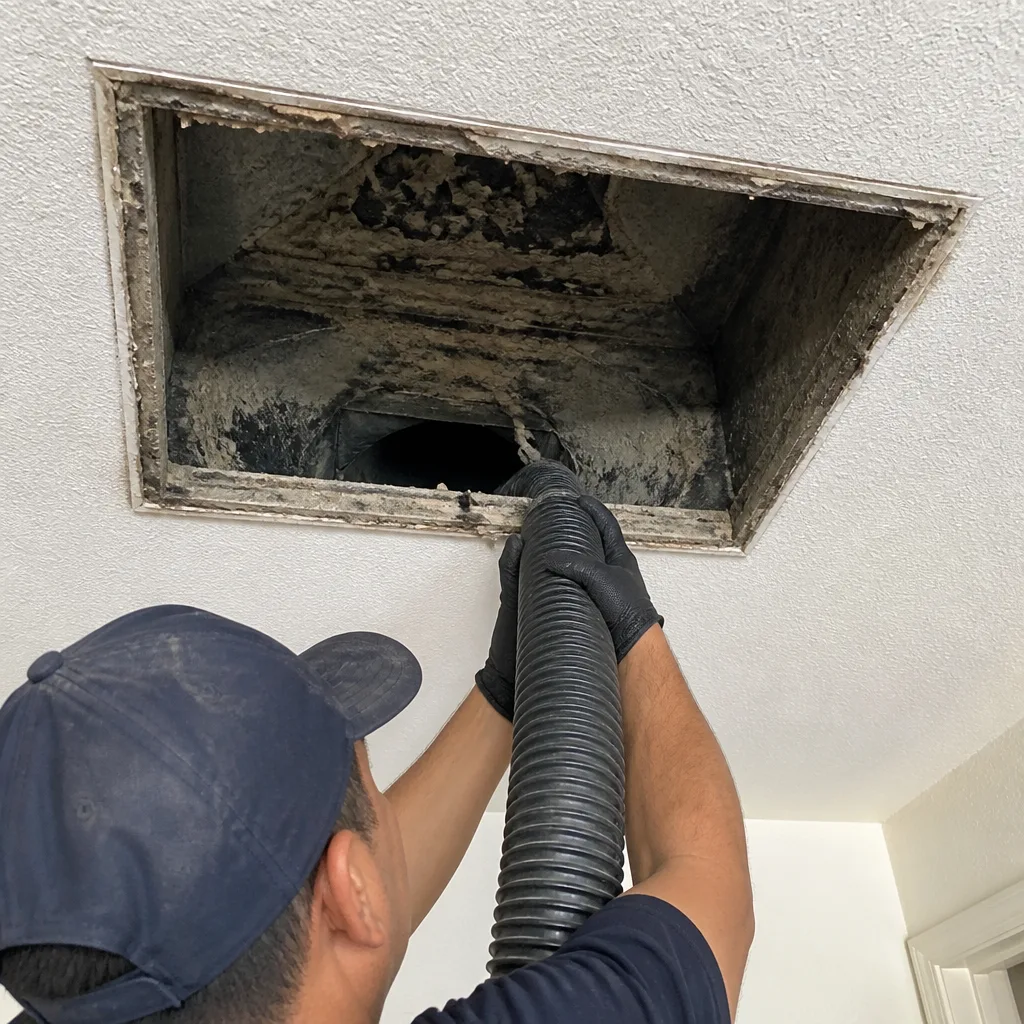 Before
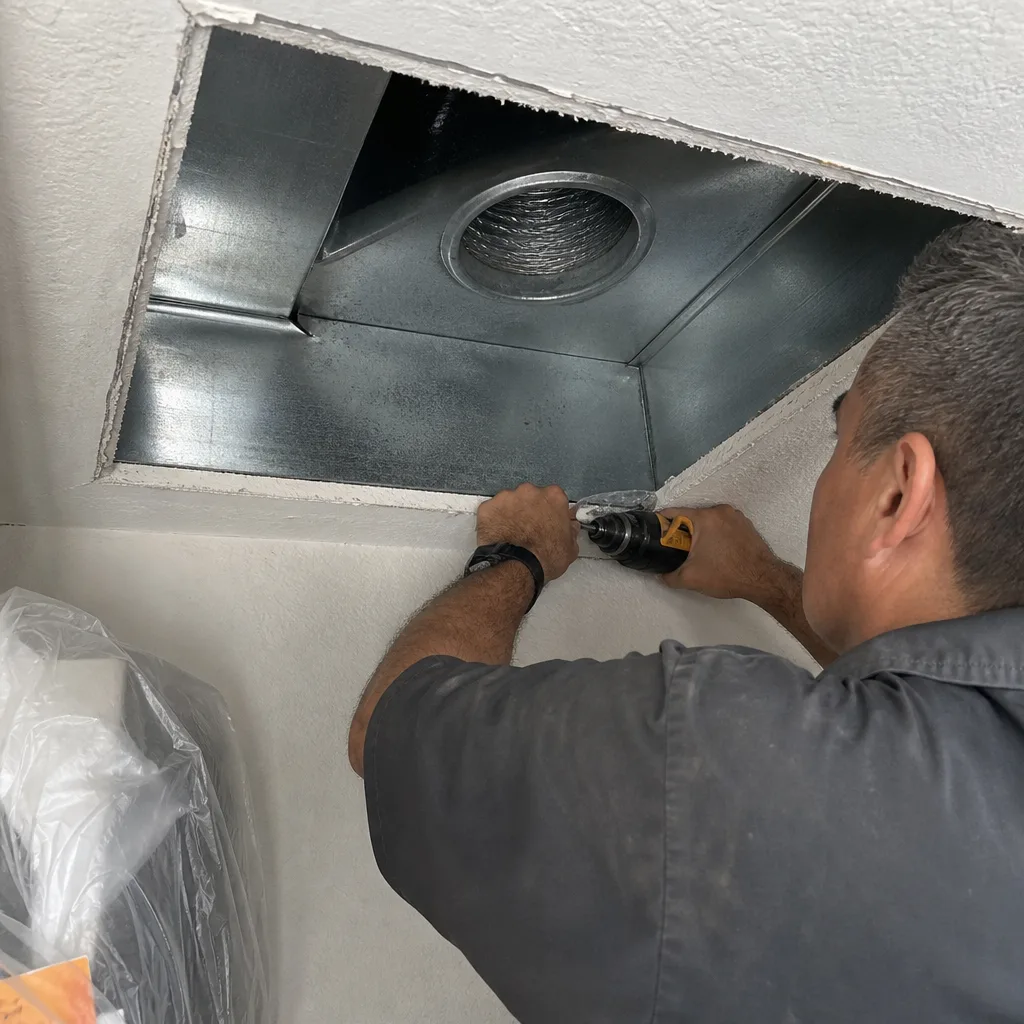 After