
Last updated November 2, 2026
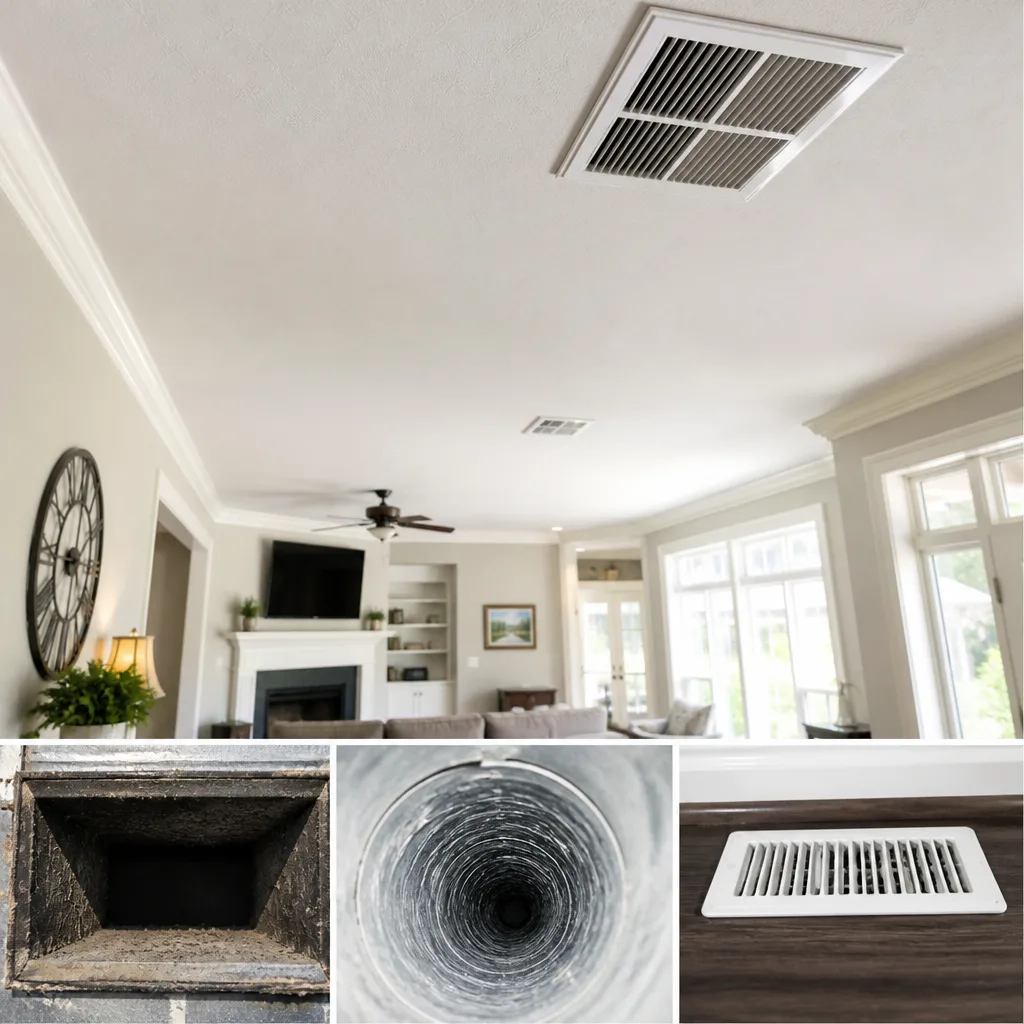 Whole-home duct cleaning
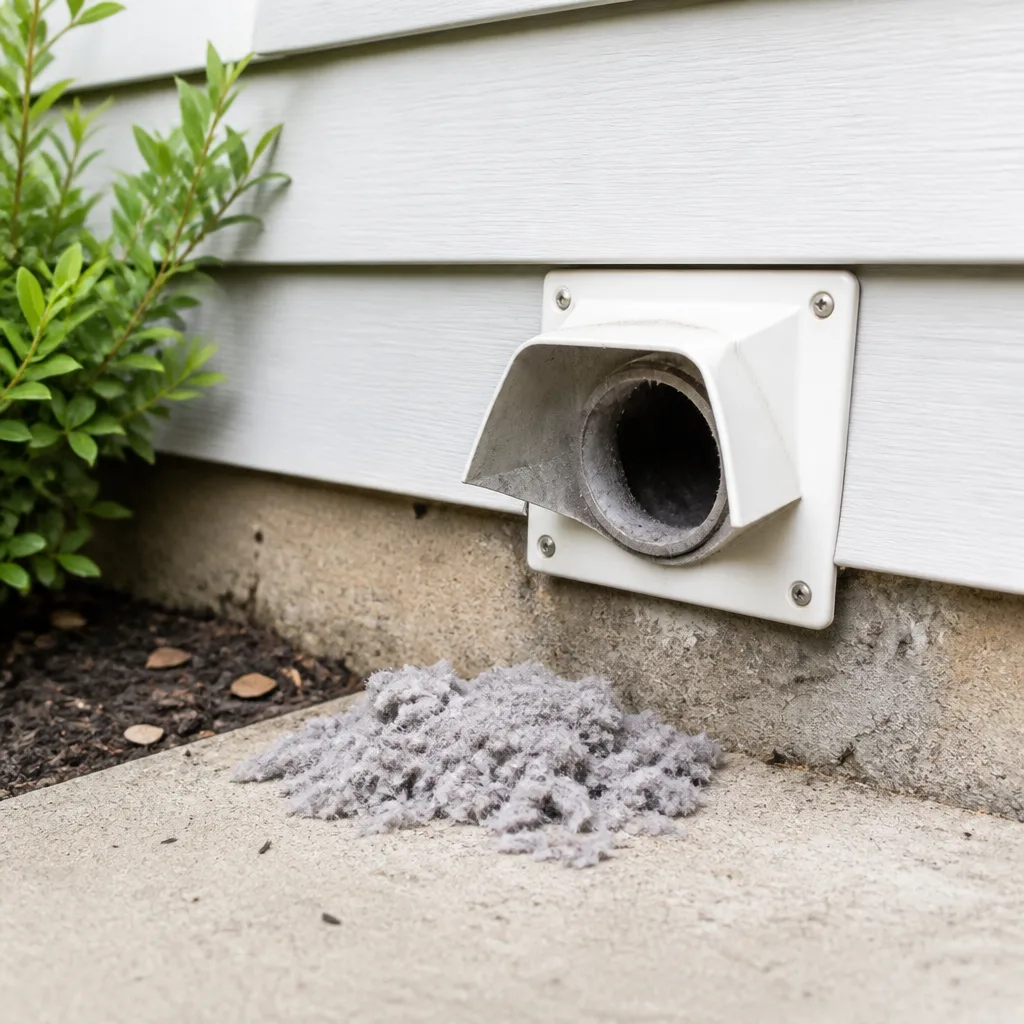 Dryer vent cleaning
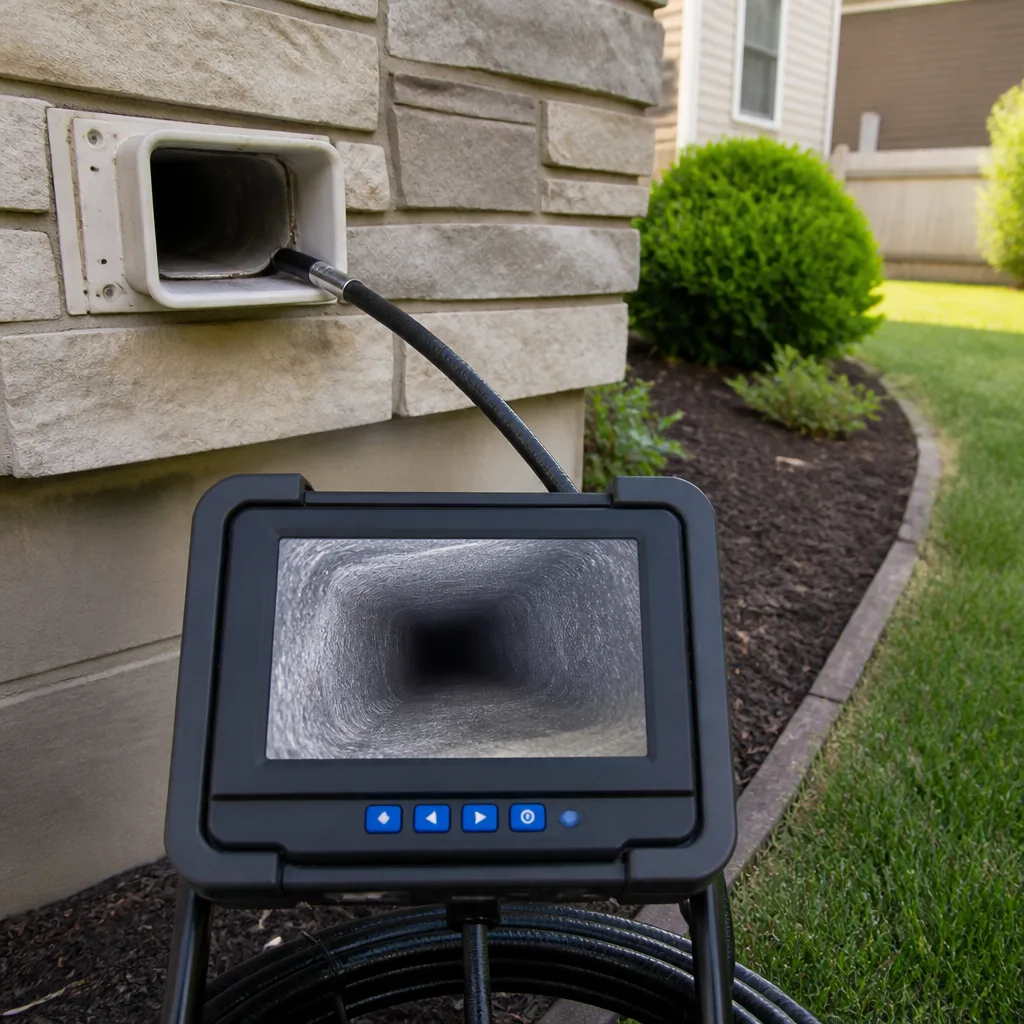 Camera inspection
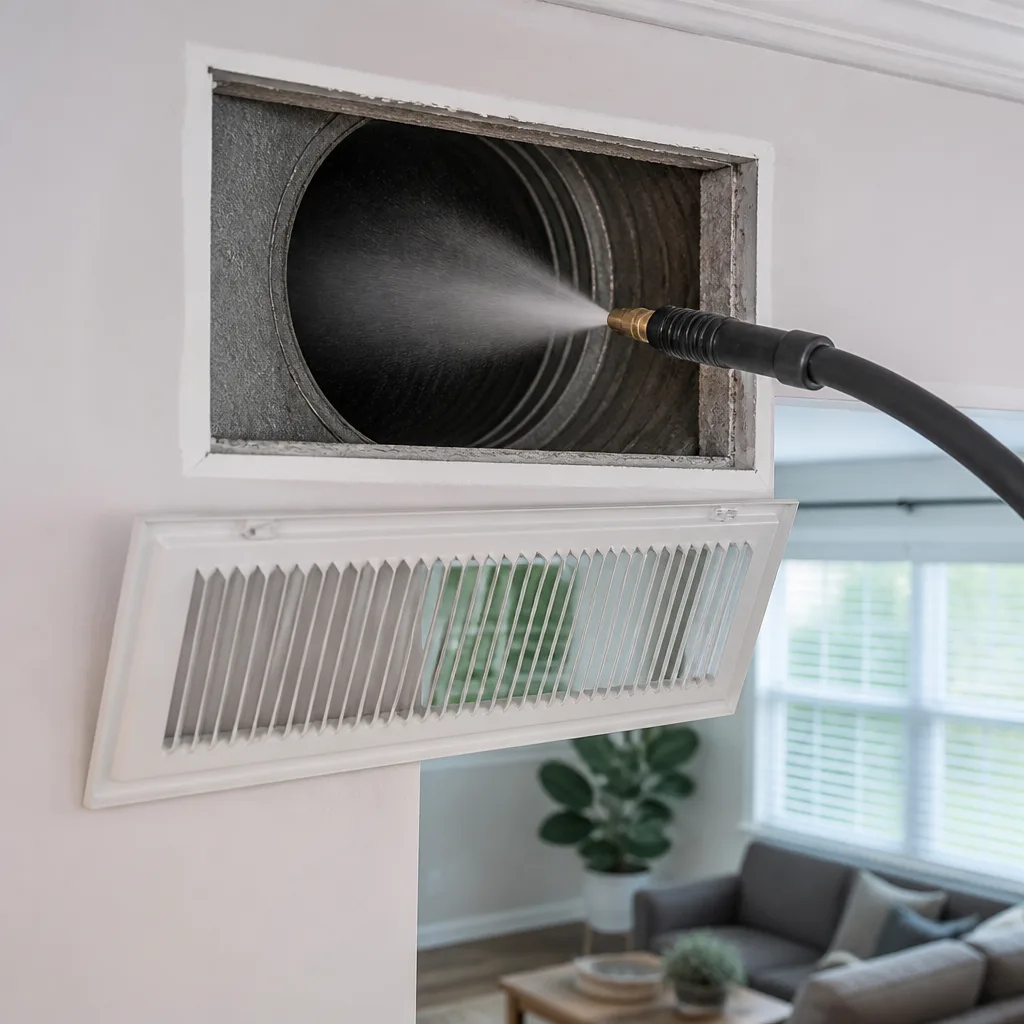 Sanitizing & deodorizing
Whole-system duct and dryer vent check with before-and-after photos - you see exactly what came out of your vents
That "$99 whole-house special" is a bait ad - the real number appears once they are in your hallway, or the "clean" is a shop-vac at the register. We photograph the inside of your ducts before and after instead.
Air Duct Cleaning Permits, Codes & Inspections in CA: What You Need to Know
Here’s something most Cathedral City homeowners don’t realize until it’s too late: the person you hire to “just clean the ducts” may cross a legal line the moment they cut into a duct, seal a joint, or apply an antimicrobial coating. In California, that line separates routine maintenance from regulated contracting work. A technician who patches a duct section or installs a new register boot during a cleaning job may be performing work that legally requires a C-20 Warm-Air Heating, Ventilating and Air-Conditioning Contractor license. If they don’t hold one, your homeowner’s insurance is the one left exposed when something fails. This guide walks you through exactly which duct-related work triggers California permitting and licensing requirements, and which jobs a certified cleaner can handle without pulling a permit. For Air Duct Cleaning Warning Signs: A Cathedral City Homeowner’s Reference Guide, see our companion resource.
Quick Answer
Standard Air Duct Cleaning services in California do not require a permit or a contractor’s license. The moment the job expands into duct repair, modification, installation, or mold remediation, however, the work falls under California Contractors State License Board (CSLB) jurisdiction and often requires a C-20 HVAC contractor license, and possibly a local building permit. In Cathedral City, any duct work that alters the system’s structure or airflow triggers Riverside County building code requirements that sit on top of state law.
Styles & brands we work with
- Whole-home duct cleaning
- Dryer vent cleaning
- Camera inspection
- Sanitizing & deodorizing
Table of Contents
- Cleaning vs. Repair: Where California Draws the Line
- CSLB Licensing: What a C-20 Covers and Why It Matters
- NADCA Certification vs. CSLB License: Two Different Things
- When Mold Discovery Changes Everything
- Riverside County Building Requirements for Duct-Adjacent Work
- Documentation You Should Demand After Any Duct Work
- A Step-by-Step Look at What Triggers a Permit
Cleaning vs. Repair: Where California Draws the Line
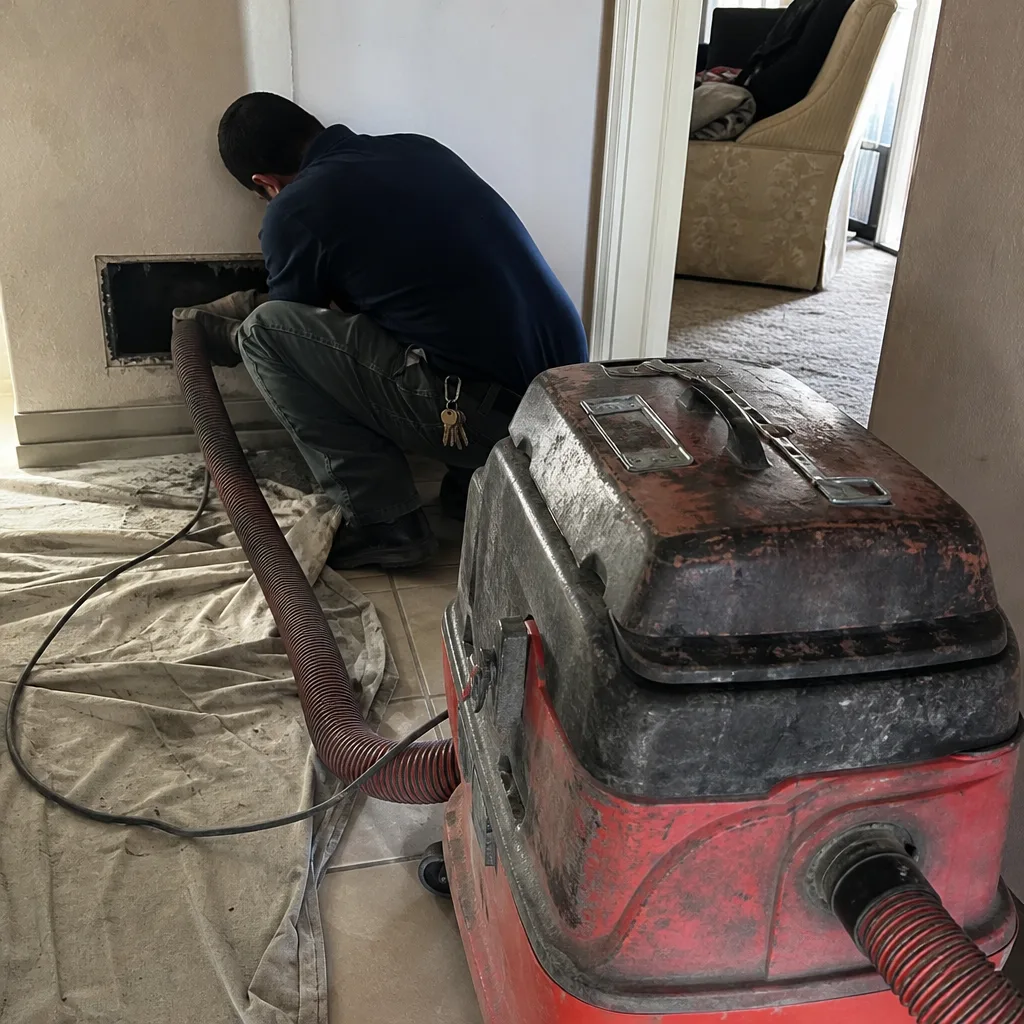
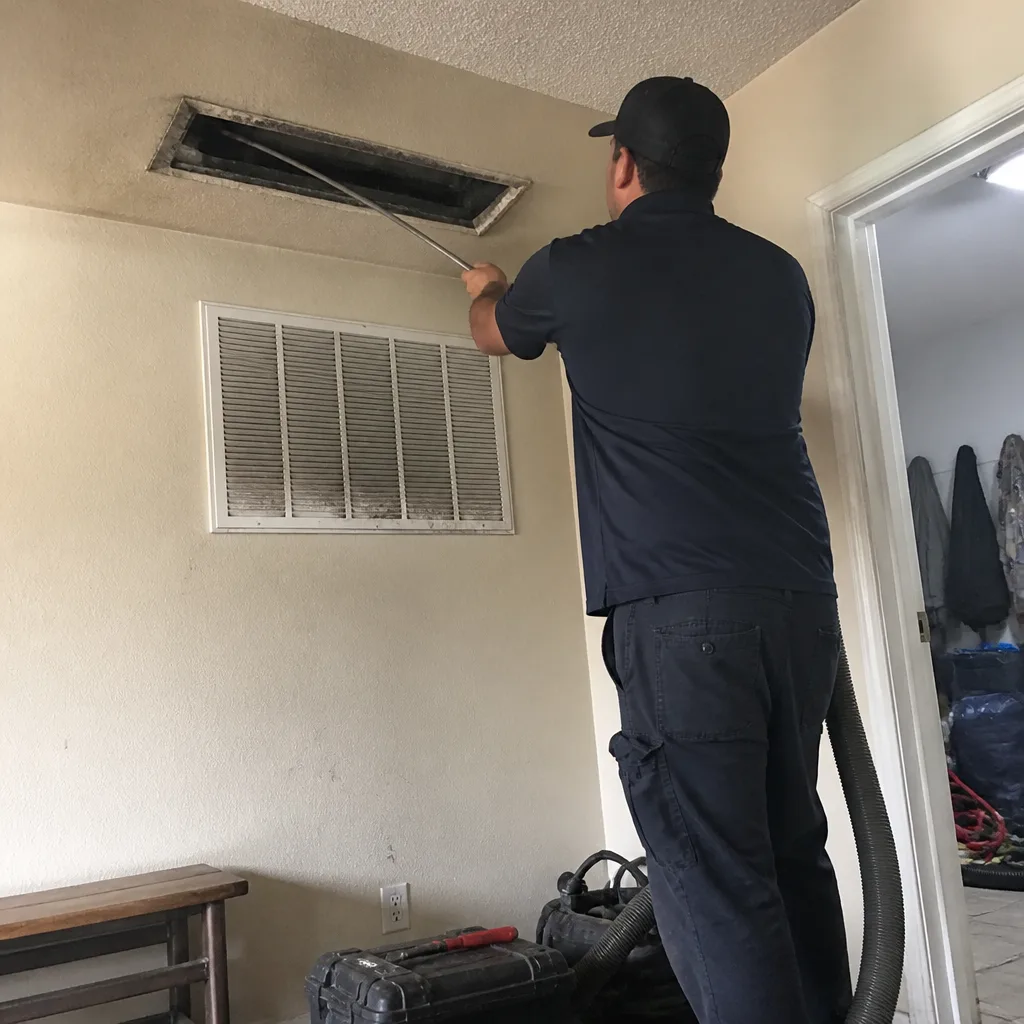
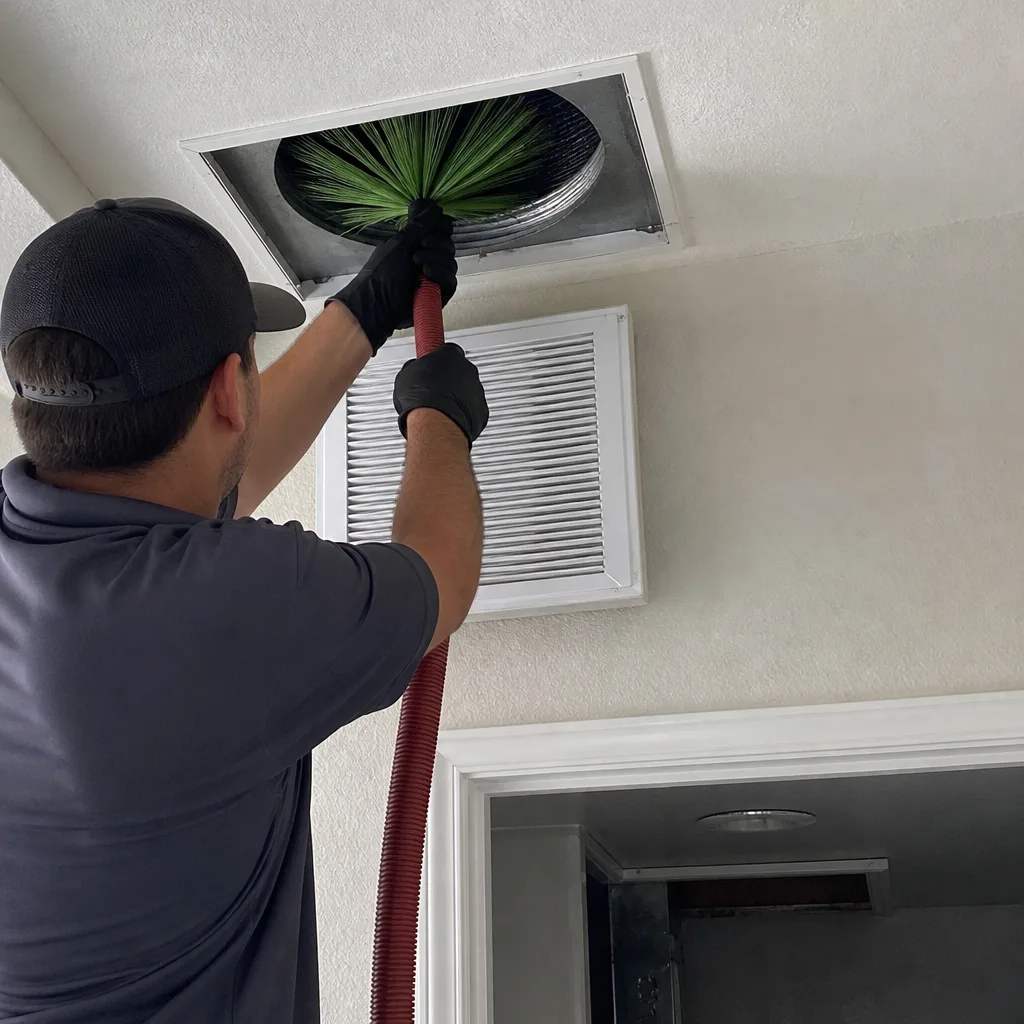
California law treats air duct cleaning as maintenance, not construction. That distinction matters more than most people realize. Cleaning means removing accumulated dust, debris, and particulate from the interior surfaces of ductwork using negative-air machines, rotary brushes, and compressed air tools. It does not alter the duct system in any way. No cutting, no sealing, no replacing, no installing. The ducts look different when you’re done, but they are functionally identical to how they were before. That’s maintenance, and no permit is required.
Repair is a different animal entirely. The California Business and Professions Code defines HVAC work that involves “modification, alteration, or installation” as contracting activity. Here’s what that means in practical terms for a Cathedral City homeowner:
- Sealing a duct joint with mastic to stop an air leak: maintenance-adjacent, but technically a repair that alters the system’s performance. A conservative reading of CSLB rules puts this in C-20 territory.
- Patching a hole in a flex duct with tape and sealant: repair.
- Replacing a damaged section of duct between two boots: repair and modification.
- Installing a new register boot where one didn’t exist: modification, and the air-balance implications mean this often requires a permit in Riverside County.
- Applying antimicrobial encapsulant to duct interiors after a mold concern: treatment, not cleaning. This crosses into remediation-adjacent work, which has its own rulebook.
We’ve seen Cathedral City homeowners sign off on a “cleaning” that turned into a repair once the technician found a crushed flex duct or a disconnected collar. The right question to ask before anyone starts work is: “Does this job change anything about how the system is built, or are you only removing what’s inside?” If the answer is anything but pure removal, you need someone with a C-20 license. Our team at Air Duct Repair in Cathedral City handles that transition daily: we clean with contractor-grade Rotobrush and Nikro equipment, and when we find damage, we have the repair capability in-house to fix it properly rather than ignore it or work around it.
CSLB Licensing: What a C-20 Covers and Why It Matters
California’s Contractors State License Board issues the C-20 classification for Warm-Air Heating, Ventilating and Air-Conditioning contractors. A C-20 holder has passed trade exams, carries a contractor’s bond, and is legally authorized to fabricate, install, repair, and modify duct systems. A duct cleaning company that holds only a general business license cannot legally perform any work that alters your ductwork.
Why does this matter to you, the homeowner? Three concrete reasons:
- Insurance coverage. If an unlicensed person modifies your ducts and something goes wrong (a duct collapses, a fire starts, air quality worsens), your homeowner’s policy has a strong argument for denying the claim. The work was performed illegally. You’re on your own.
- Code compliance at resale. Riverside County home inspectors are increasingly looking for signs of undocumented duct modifications. A homeowner who sells a house with unpermitted duct work can face closing delays or price reductions. In Cathedral City’s competitive market, that’s a negotiation killer.
- Worker liability. If an unlicensed worker is injured on your property performing contracting work, your homeowner’s liability coverage is your first line of defense. A licensed contractor has their own workers’ compensation policy that protects you from that exposure.
The CSLB’s definition of what counts as “contracting” versus “maintenance” is deliberately broad, and the board has historically pursued enforcement actions against cleaning companies that drifted into repair work. The takeaway: a duct cleaning company is a specialist in cleaning, not a substitute for a licensed HVAC contractor. For Air Duct Cleaning Troubleshooting: Common Problems and How to Fix Them, check our detailed walkthrough. The two skill sets overlap, but the legal authority to perform work does not.
NADCA Certification vs. CSLB License: Two Different Things
Here’s a confusion we hear constantly from Cathedral City homeowners: “Doesn’t NADCA certification mean they’re licensed?” It does not. NADCA, the National Air Duct Cleaners Association, certifies that a technician knows how to clean ducts to industry standards. CSLB licenses a contractor to legally build and modify duct systems. The two credentials cover completely different territory.
Think of it this way: a NADCA-certified technician is qualified to operate a Rotobrush or Nikro system and remove contaminants without damaging your ducts. A C-20 licensed contractor is authorized to cut, seal, patch, and install. Both credentials have real value. But a NADCA certification is not a substitute for a CSLB license, and no amount of NADCA training authorizes someone to modify ductwork in California.
What should you look for, depending on your job?
- Pure cleaning, no damage found: NADCA certification is strong evidence of competence. A CSLB license is nice to have but not legally required.
- Cleaning plus minor sealing or patching: You want a C-20 holder. Period.
- Cleaning plus significant repair (replacing sections, reworking boots, redesigning runs): C-20 plus a Riverside County building permit. Not negotiable.
Our team carries both the cleaning certification and the repair capability under one roof. That means when we find compromised ductwork during a clean, we don’t have to stop, refer you to another company, and hope you follow through. We can document the finding, show you photos, and handle the repair in the same visit.
When Mold Discovery Changes Everything
Mold is the single biggest regulatory pivot point in duct work. California’s Department of Public Health and the State Water Resources Control Board have issued guidance on mold in indoor environments. When a duct cleaning technician in Cathedral City discovers what appears to be mold growth inside your ducts, the job’s legal character changes immediately.
Here’s what the rules actually say. Routine duct cleaning is not mold remediation. Removing dust and debris from ducts when mold is present does not address the mold, and it may aerosolize spores throughout your home. California does not require a specific mold remediation license for general contractors, but any work that involves removing mold-contaminated materials or applying antimicrobial treatments is regulated by:
- Cal/OSHA worker safety rules for handling biological contaminants
- EPA guidance on mold remediation in schools and commercial buildings, which many insurers use as their benchmark for residential work
- Riverside County building department requirements if the remediation involves removing and replacing duct sections, which it often does
The practical takeaway for a Cathedral City homeowner: if a cleaning technician finds mold, the work should stop. The affected duct sections need to be evaluated by someone with remediation experience. In many cases, the right move is to remove and replace the contaminated duct material. That’s a repair, not a cleaning, and it lands squarely in C-20 and building permit territory. Our team runs Abatement Technologies equipment, including HEPA-filtered negative-air setups, for jobs where containment is appropriate. Equipment like that is the difference between containing a problem and spreading it.
Riverside County Building Requirements for Duct-Adjacent Work
California’s Health and Safety Code gives local building departments authority over HVAC modifications. In Cathedral City, that means the Riverside County Building and Safety Department. Any duct work that changes the system’s configuration, adds a new run, or modifies airflow requires a building permit under the California Mechanical Code, which Riverside County adopts and enforces.
What does that look like in practice for a homeowner?
- Replacing an existing flex duct with a same-size replacement: typically no permit (maintenance), but check with Riverside County if you’re unsure.
- Adding a new supply or return run: permit required. This changes system balance and may affect Title 24 energy compliance.
- Enlarging or moving a register: permit required. Air balance calculations are part of the permit review.
- Replacing a plenum or air handler connection: permit required in most cases.
- Re-routing ducts through walls, ceilings, or floors: permit required, and may trigger structural review if the routing penetrates fire-rated assemblies.
Cathedral City’s climate puts real strain on duct systems. Summer temperatures routinely exceed 110°F, which bakes uninsulated attic ductwork and accelerates flex duct degradation. We regularly find cracked, compressed, or separated ducts in homes across Cathedral City’s older neighborhoods, including those built in the 1970s and 1980s when construction standards for attic duct installation were looser than today. When damage like that is found, the fix is a repair, not a cleaning. And in Riverside County, that repair often comes with a permit requirement.
Documentation You Should Demand After Any Duct Work
Paperwork is the thing homeowners forget until they need it. Here’s what you should receive after any duct work that approaches the permit threshold, and why each document matters for a future home sale or insurance claim.
- Job scope in writing, before work starts. A single page that states exactly what will be done: cleaning only, cleaning plus sealing, repair of specific sections, replacement of specific components. If the scope changes mid-job, get it in writing before you approve the change.
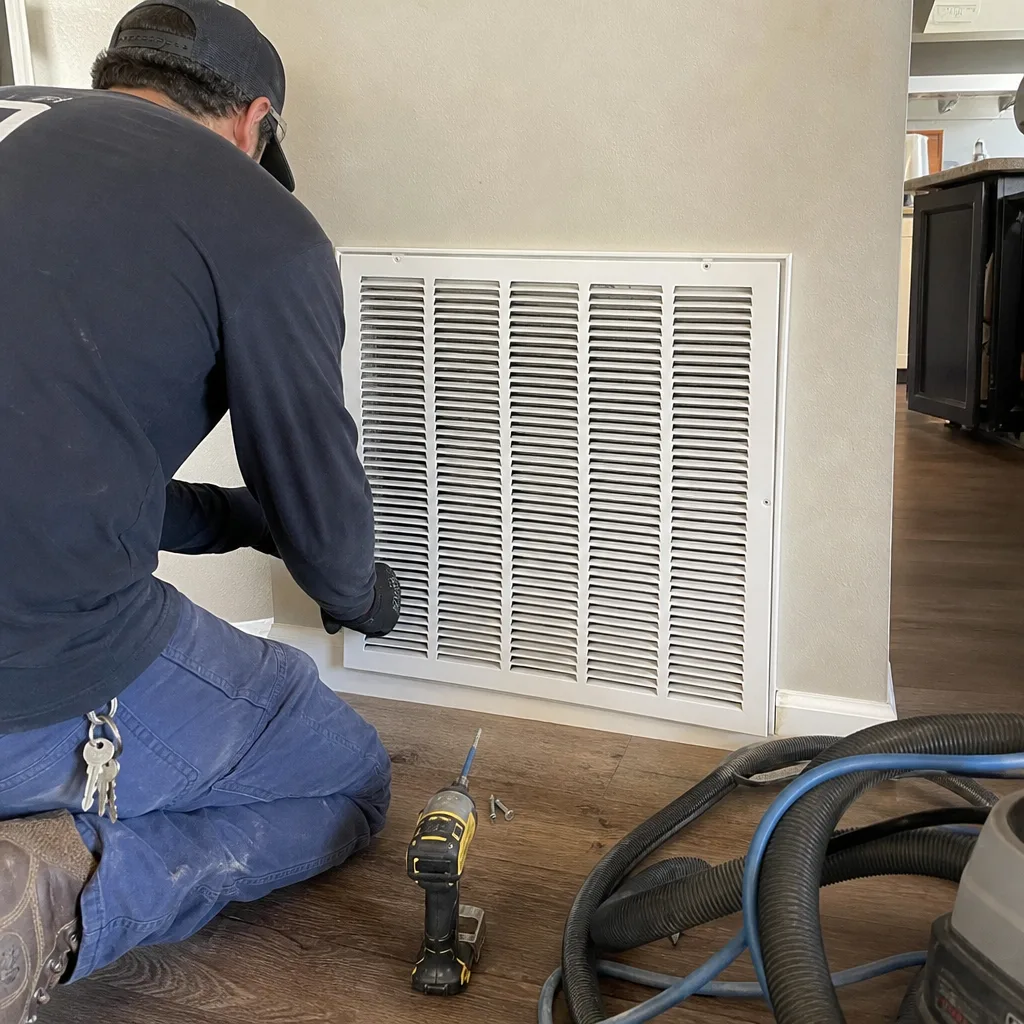
- Before-and-after photos. This is non-negotiable. You should see the inside of your ducts before and after the work. Photos are your proof that the job was actually done, and they’re invaluable for resale conversations. See what’s actually in your system before anyone runs a brush through it.
- Equipment list. What machines were used? A professional operation will be happy to tell you they ran a Rotobrush or Nikro system, not a repurposed consumer-grade shop vac.
- Repair documentation. If any duct sections were sealed, patched, or replaced, you should receive a description of the work, the materials used, and the location. This is the document that matters most if the work later becomes a question at resale.
- Permit copies, if applicable. If Riverside County required a permit, you keep a copy with your home records. Final inspection sign-off should be included.
- Air quality product documentation, if you upgraded. If the job ended with installing a Honeywell or Aprilaire filtration component, those product warranties should be in your file.
For Cathedral City homeowners, keeping these records in one place is cheap insurance. When you sell, the buyer’s inspector will ask about the ducts. Having a documented history turns that conversation from a liability into a selling point.
A Step-by-Step Look at What Triggers a Permit
Let’s walk through a typical Cathedral City scenario so you can see how the permit question plays out in real life. A homeowner calls a duct cleaning company because the HVAC system isn’t moving air the way it used to, and there’s visible dust on the registers.
- Inspection. The technician opens a return and looks inside with a camera. Dust accumulation is moderate. A section of flex duct near the attic access is visibly compressed.
- Cleaning decision. The dust removal portion of the job is pure maintenance. No permit. A NADCA-certified cleaner using professional equipment handles this part.
- Damage finding. The compressed flex duct is not just dented; it’s collapsed internally. Airflow through that run is reduced by roughly half. This is damage, not dirt.
- Repair decision. Replacing the damaged flex section with a new section of the same diameter. In Riverside County, this is typically classified as maintenance repair and may not require a permit, but it does require a C-20 license holder to perform the work correctly.
- Modification scenario. What if the homeowner, while the system is open, decides to add a new supply run to a room that’s always hot? That’s a system modification. Air balance changes. Title 24 implications. Permit required. No exceptions.
The pattern to remember: removal is maintenance. Replacement of like-for-like is a gray zone that leans repair. Anything that changes the system’s design or capacity is modification, and modification requires a permit. If you’re unsure which category your job falls into, call Riverside County Building and Safety before work starts.
Common Mistakes to Avoid
- Hiring a cleaner to do repair work because it’s cheaper. You’re saving money on the wrong line item. Unlicensed repair is a false economy. The liability exposure alone wipes out any savings.
- Assuming a NADCA certification equals a California contractor’s license. It doesn’t, and no amount of NADCA training authorizes someone to cut or modify ducts in California. Ask directly: “Do you hold a C-20 license?” If the answer isn’t yes, they shouldn’t be altering your system.
- Letting a mold discovery get hand-waved away. Some technicians will say “that’s just mildew” or “the cleaning will take care of it.” If there’s visible microbial growth in your ducts, the scope has changed. Stop the job and get a remediation-capable assessment.
- Skipping documentation. No photos, no scope, no record. Three years later you’re in escrow and the buyer’s inspector wants to know what was done to the ducts. You have nothing. Fix this before it happens.
- Paying in full before the job is verified. The duct cleaning industry has a reputation built on bait-and-switch pricing and unverifiable work. A legitimate operation will show you before-and-after photos and walk you through what was found. If a company won’t show you what’s inside your own ducts, ask why.
- Treating a “free inspection” as a free cleaning. In Cathedral City, the coupon offers that flood every spring promise a $49 whole-house clean that turns into an $800 invoice once the technician finds “mold.” The flat-price-per-system model exists for a reason. Ask for the full price before the van arrives.
- Ignoring the dryer vent. Dryer vent cleaning is its own service with its own safety profile. A clogged dryer vent is a leading cause of residential fires, yet many duct-only companies skip it entirely. Make sure your duct work covers the dryer exhaust too.
See the difference
 Before
 After
 Before
 After
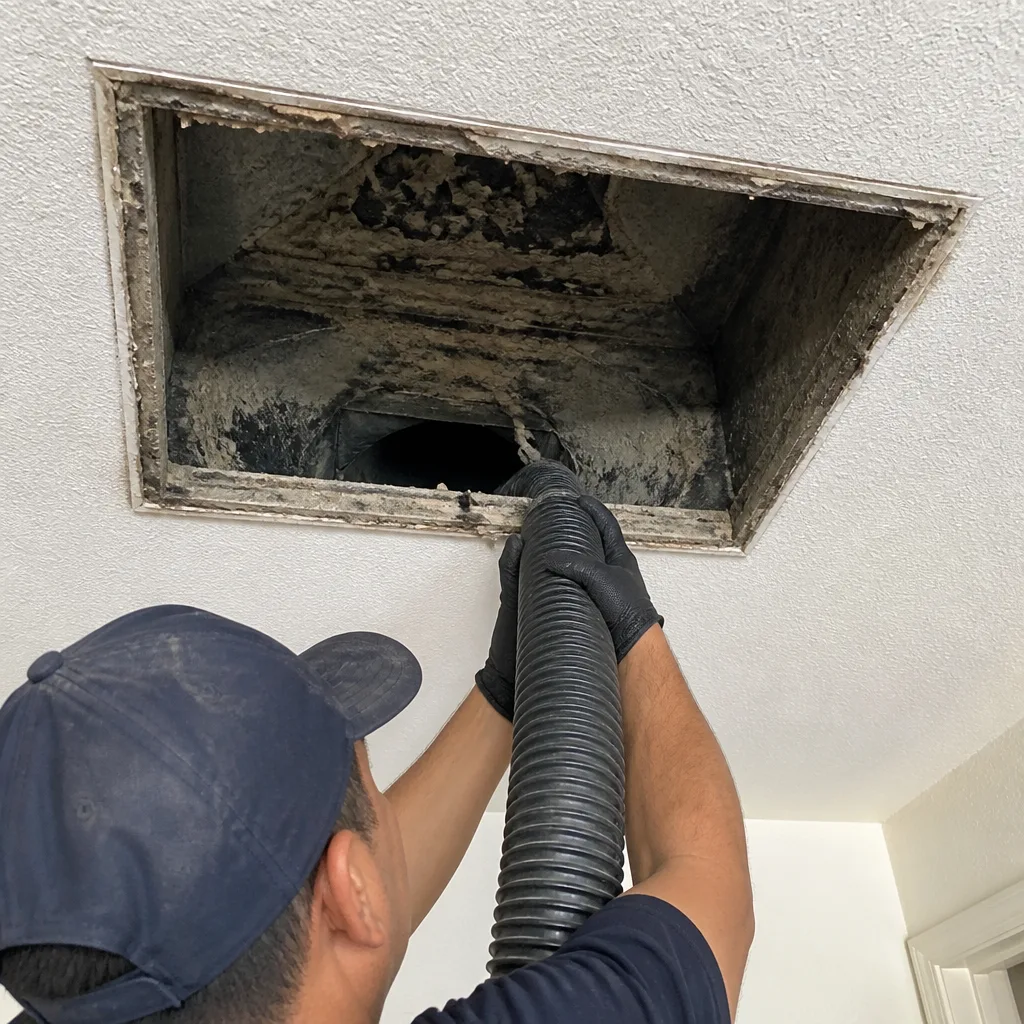 Before
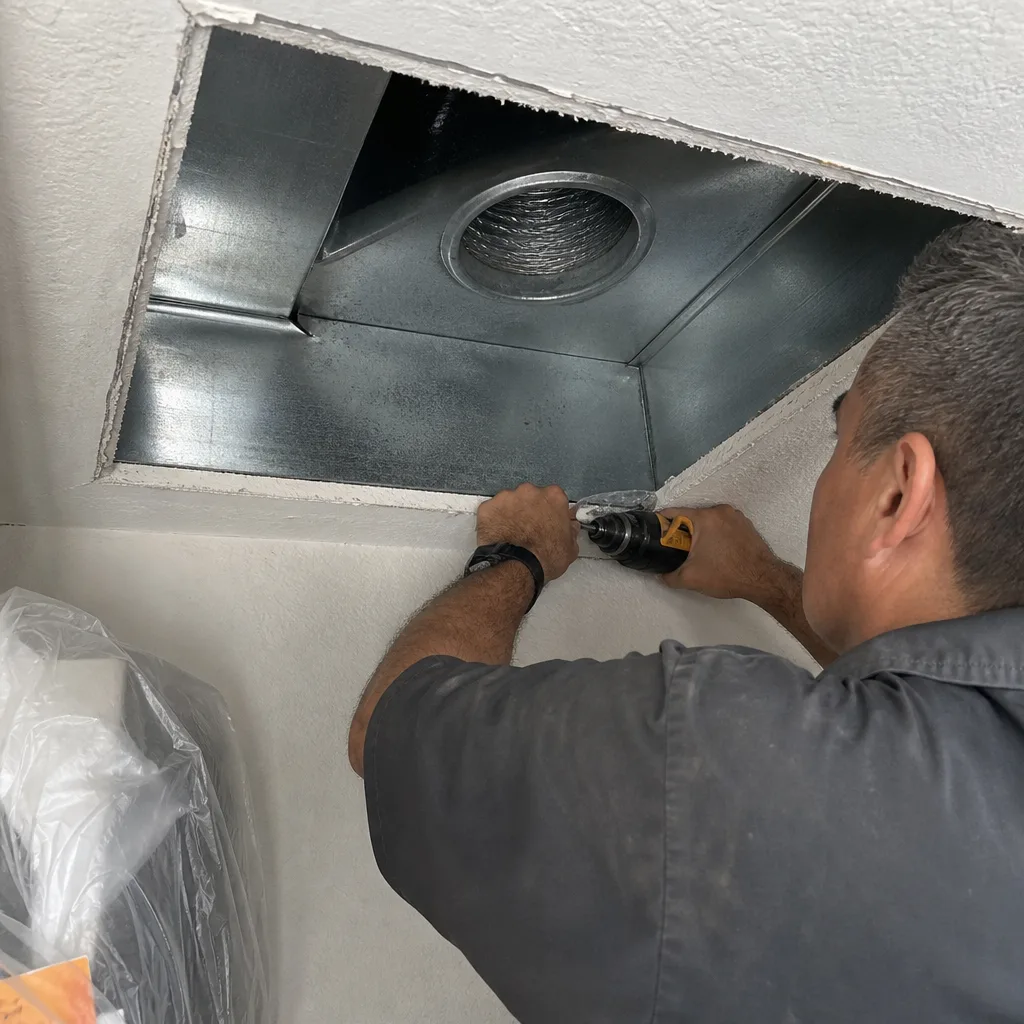 After
When to Call a Professional
Call a professional when you see dust on your registers despite regular filter changes, when you can’t remember the last time the ducts were cleaned, when your energy bills climb without explanation, or when you find visible damage to accessible ductwork in your attic or crawlspace. Call immediately if you smell something musty when the system runs, or if you see moisture stains on ceiling panels near the registers. And call if you bought your Cathedral City home more than three years ago and have no documentation of prior duct work. Most homes in this valley go far too long between cleanings. Duct Cleaning Cathedral City home service covers the full scope: cleaning with Rotobrush and Nikro equipment, repair when we find damage, and Dryer Vent Cleaning in Cathedral City for the exhaust system that most companies forget. Free estimates by phone at (866) 968-5699.
Frequently Asked Questions
No. Routine air duct cleaning that removes dust and debris without altering the duct system is classified as maintenance under California law and requires no permit. The permit requirement kicks in when the work becomes repair or modification, such as replacing duct sections, adding new runs, or changing register locations. If the job changes how the system is built or how it moves air, Riverside County Building and Safety likely requires a permit.
A C-20 Warm-Air Heating, Ventilating and Air-Conditioning Contractor license issued by the CSLB is required for anyone performing duct repair or modification work in California. A cleaning company without a C-20 can legally clean but cannot legally alter your duct system. Always ask to see the license before anyone cuts, seals, patches, or replaces duct components. Call (866) 968-5699 if you want to verify that your job is being handled by a properly licensed operation.
Work should stop. Visible mold growth inside ducts changes the job from cleaning to a remediation question. California regulates mold-related work separately from routine cleaning, and in most cases the contaminated duct sections need to be removed and replaced, which is repair work requiring a C-20 license and often a Riverside County permit. HEPA-filtered negative-air containment, like the Abatement Technologies equipment used in sensitive-environment work, is the professional standard for containing spores during such a job.
A legitimate operation will tell you exactly what equipment they run and will show you before-and-after photos from inside your ducts. Contractor-grade systems like Rotobrush and Nikro are built for aggressive rotational cleaning and negative-air collection, not consumer-grade vacuums. If a company won’t show you the machines they use or the results they achieved, treat that as a red flag.
No. NADCA certifies cleaning competency. It does not authorize anyone to repair, modify, or install ductwork. A NADCA-certified technician can clean your ducts to industry standards, but any repair work must be performed by a CSLB-licensed C-20 contractor. The two credentials work together, but one is not a substitute for the other.
Call (866) 968-5699 for a flat-price-per-system quote before work begins. We serve the entire Cathedral City area with Air Duct Cleaning in Cathedral City, duct repair, and dryer vent service under one roof, and our estimates are free.
The Bottom Line
California’s permitting rules for duct work come down to one distinction: cleaning versus changing. Cleaning removes what’s inside your ducts. Changing alters how the system is built or how it moves air. The first is maintenance. The second is contracting. Cathedral City homeowners who understand that line are better protected on insurance claims, home sales, and their own indoor air quality. Know what you’re hiring for. Ask for credentials. Demand documentation. Explore our more guides & resources to stay informed. And when the job crosses from dirty to damaged, make sure the person holding the tools is licensed to hold them. Call (866) 968-5699 for a free estimate and a straight answer before the work starts.
Written by the team at Duct Cleaning Cathedral City, serving Cathedral City since 2012.