
Last updated November 2, 2026
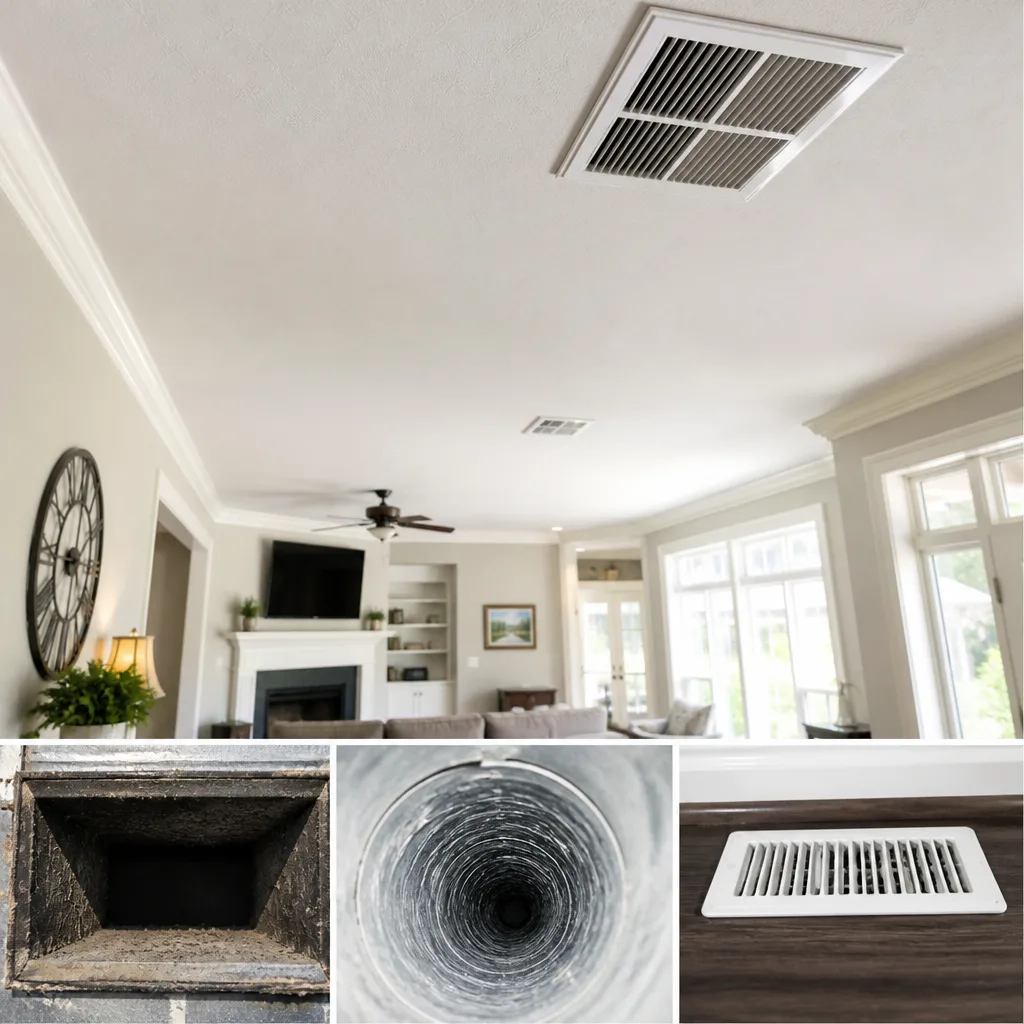 Whole-home duct cleaning
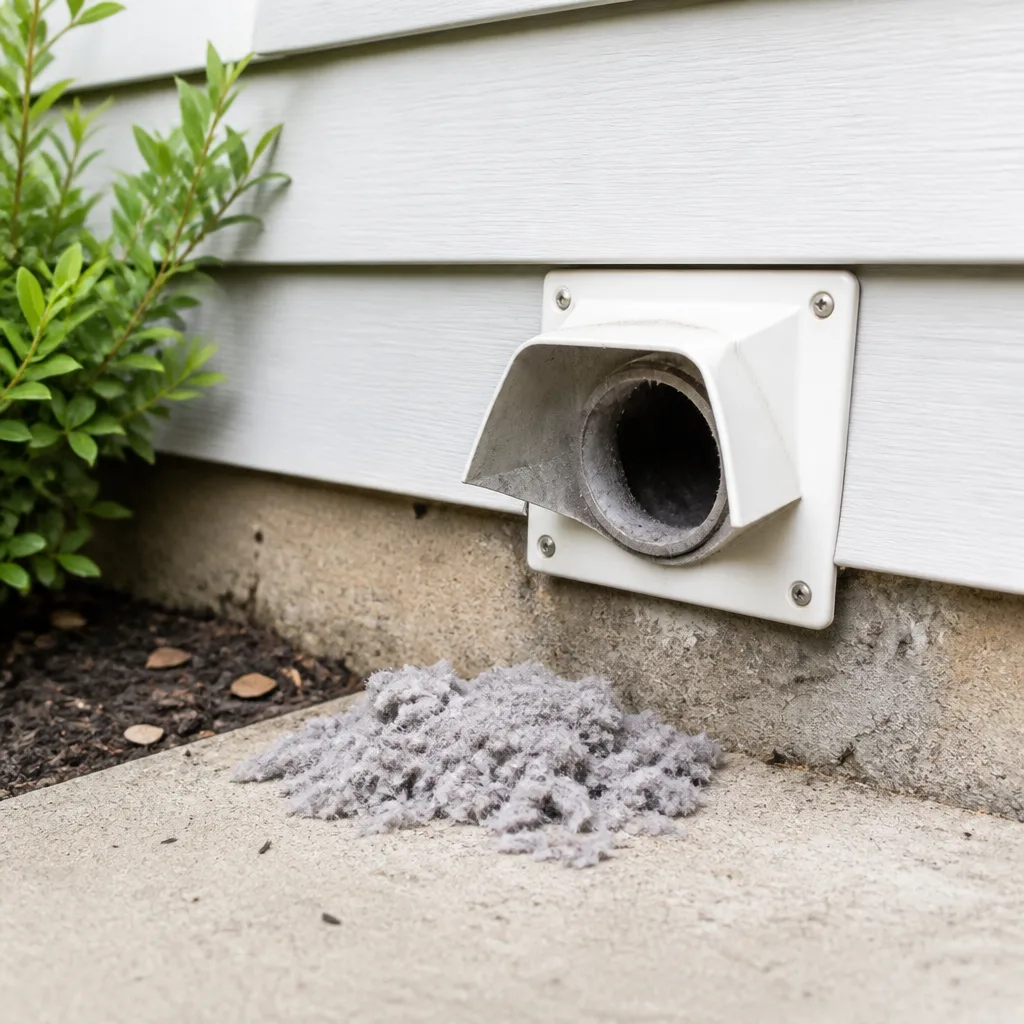 Dryer vent cleaning
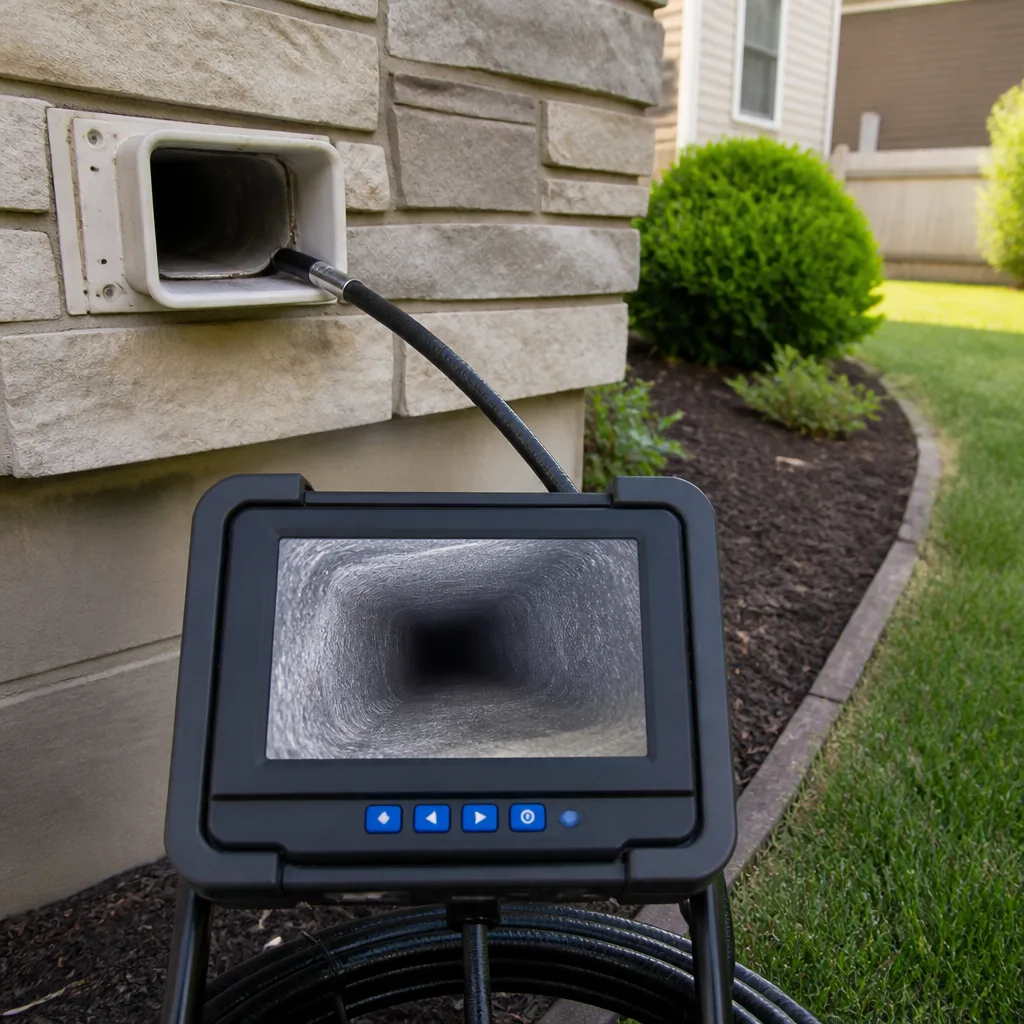 Camera inspection
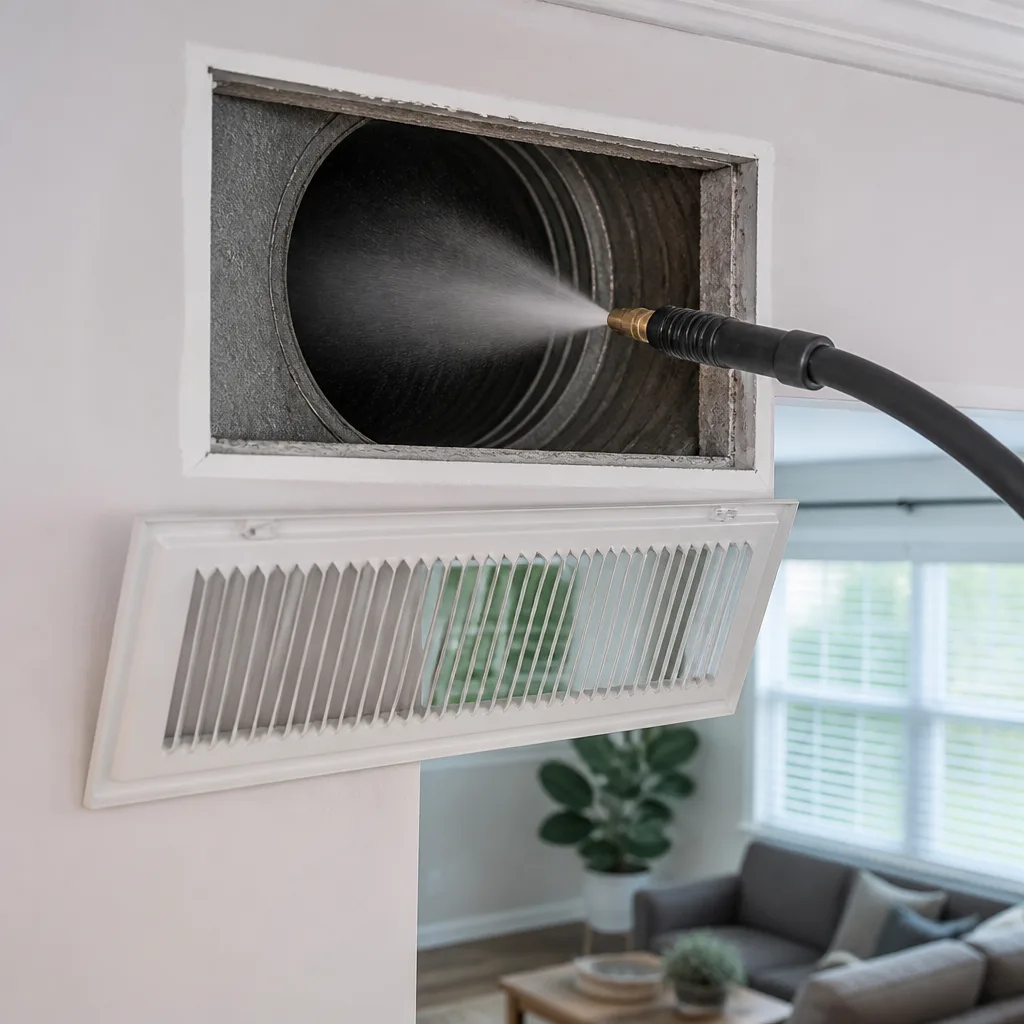 Sanitizing & deodorizing
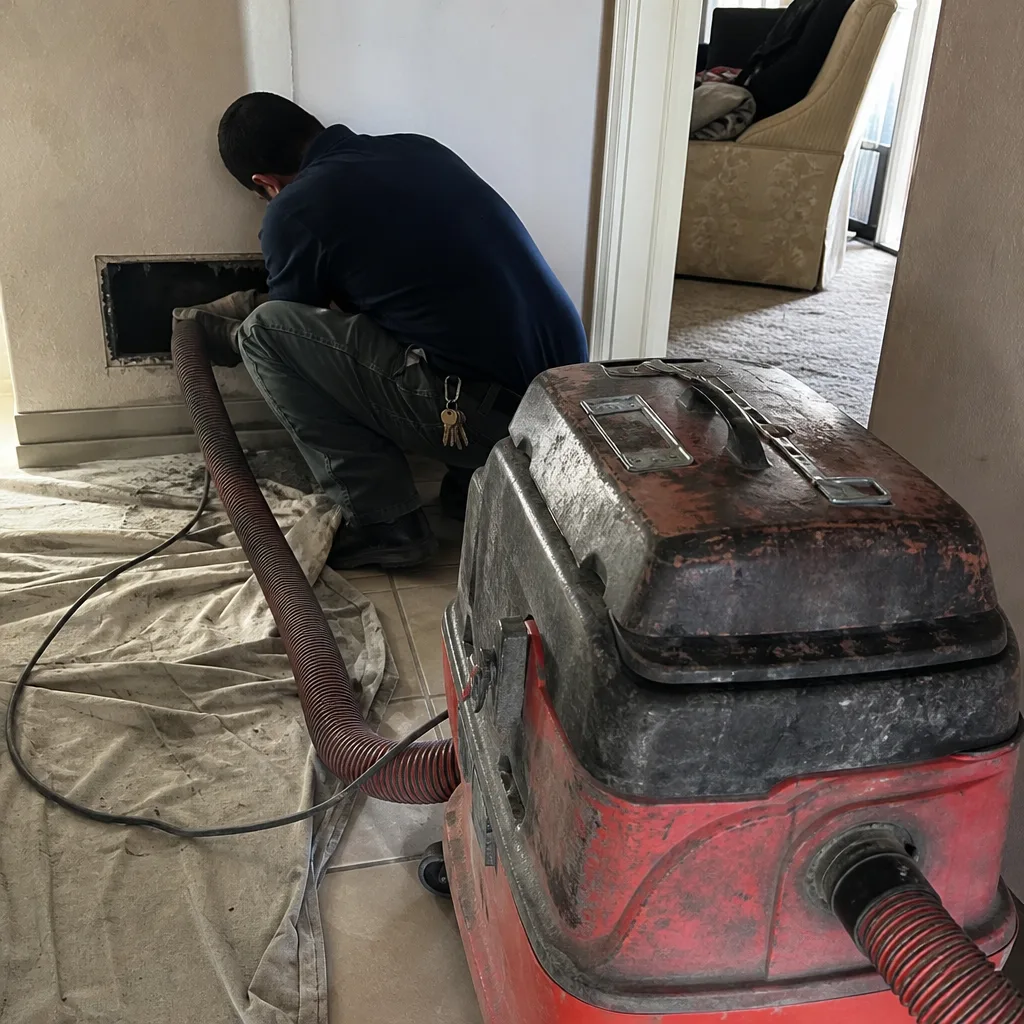
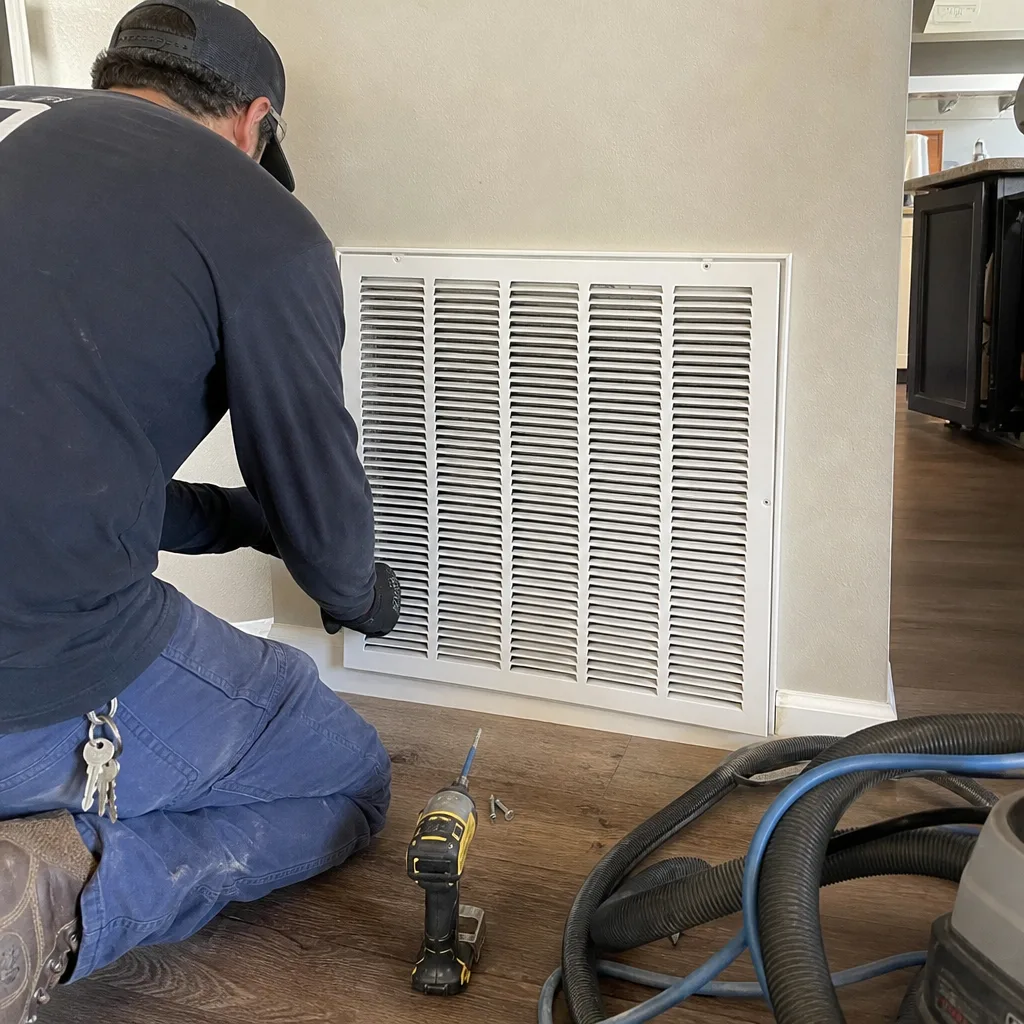
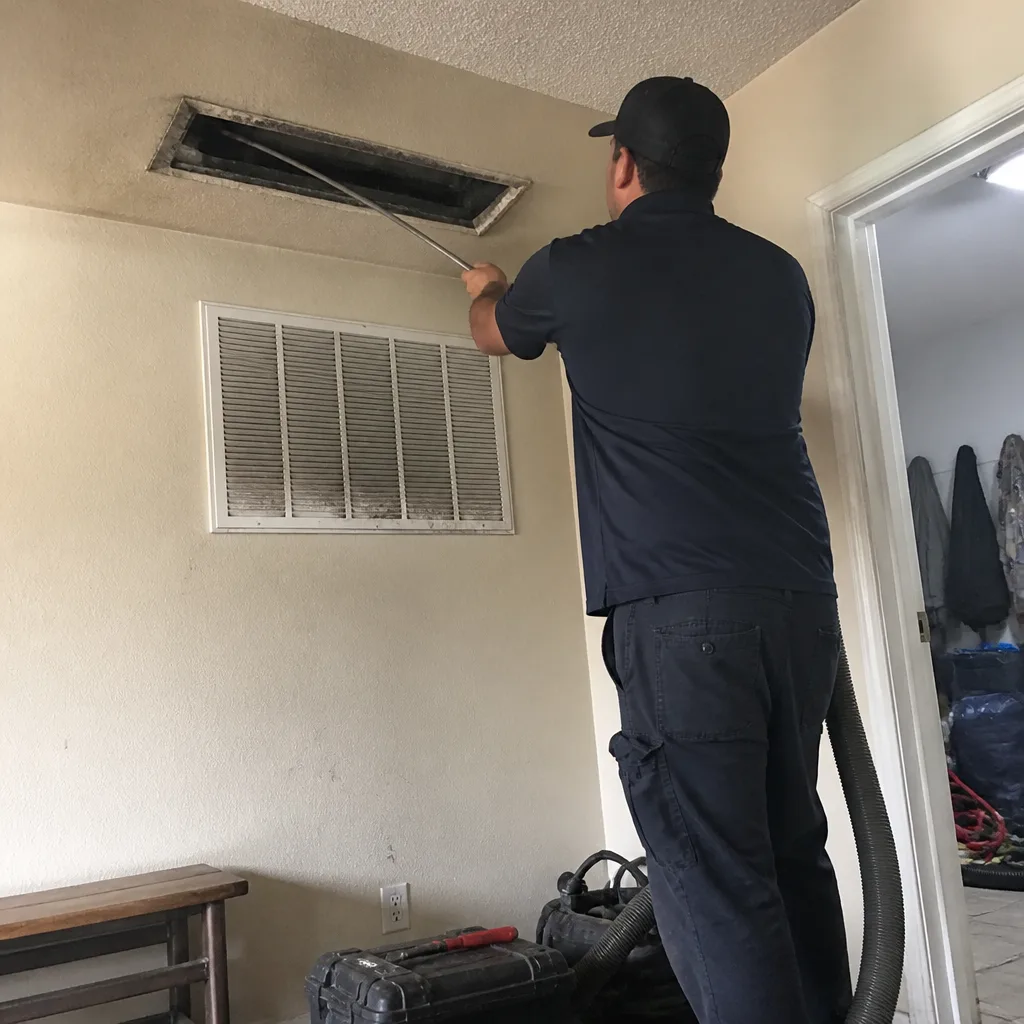
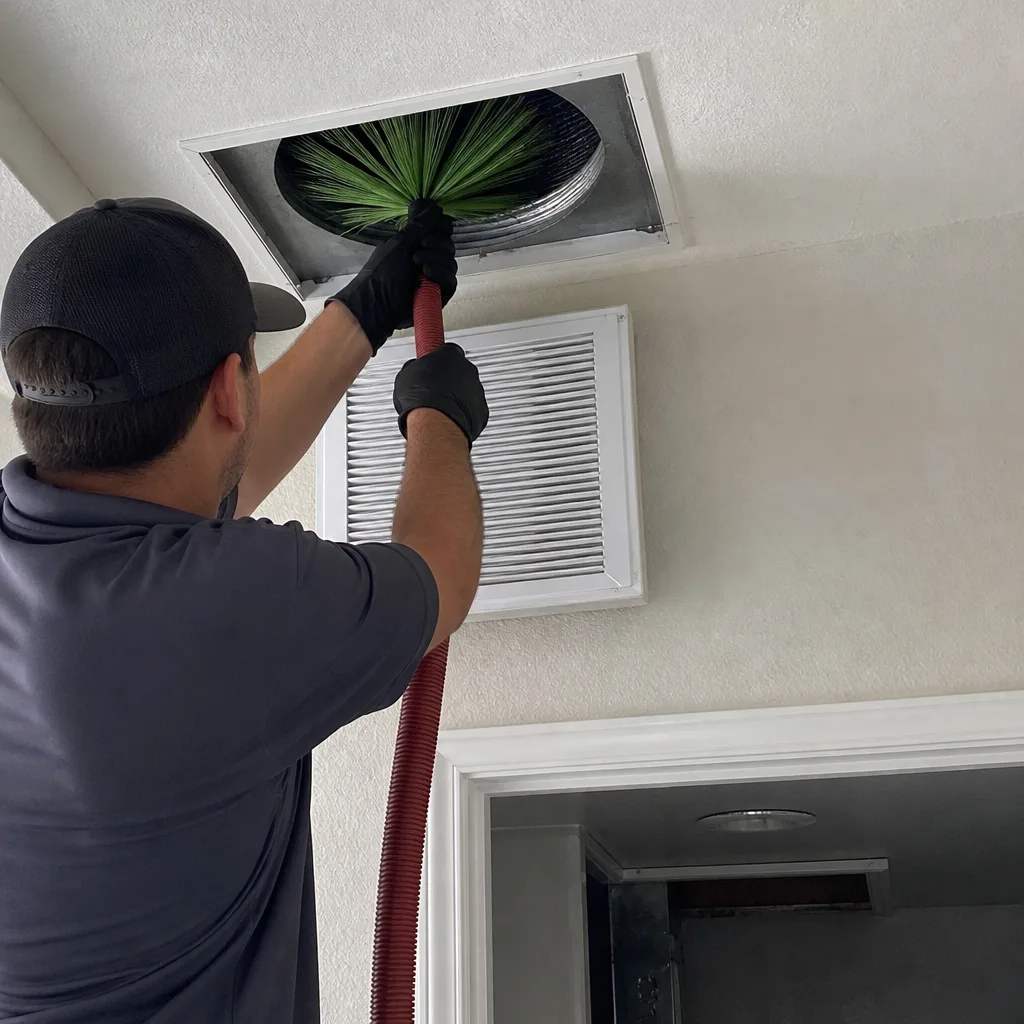
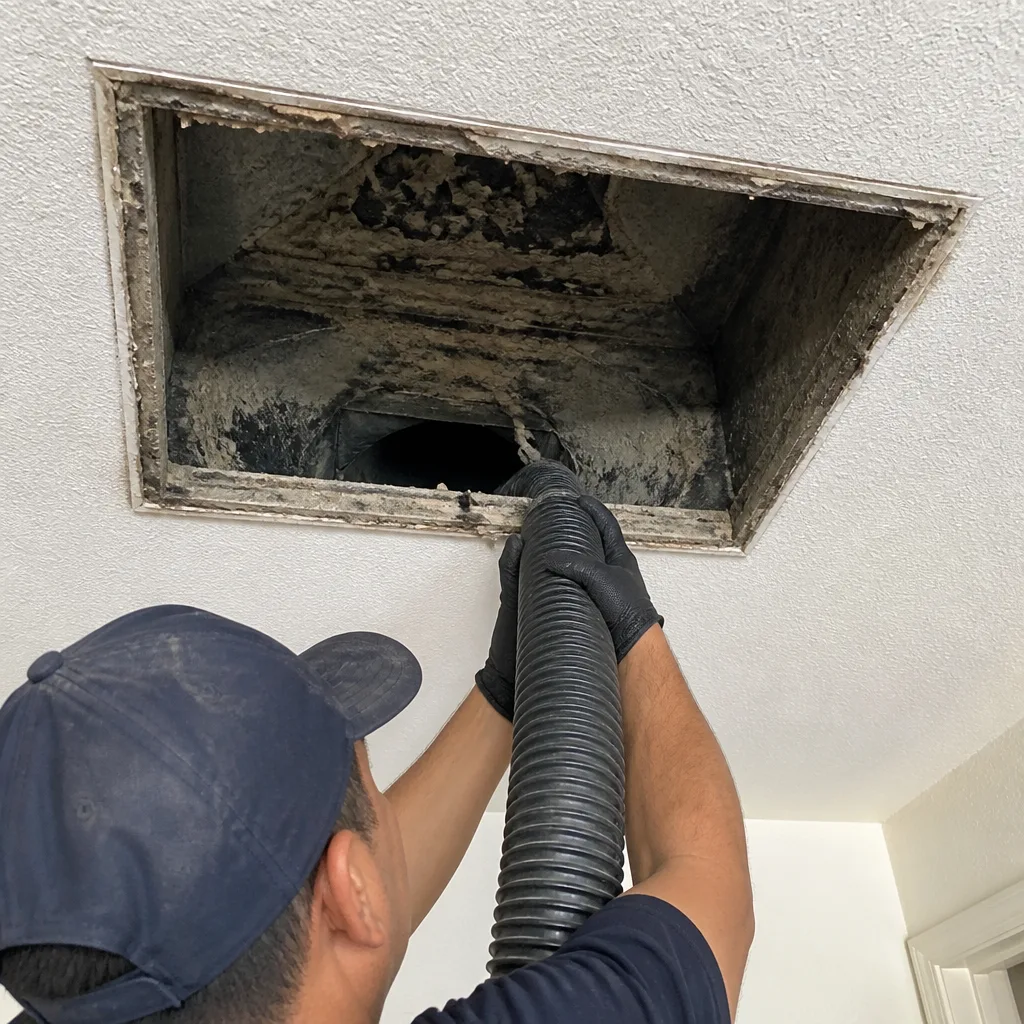
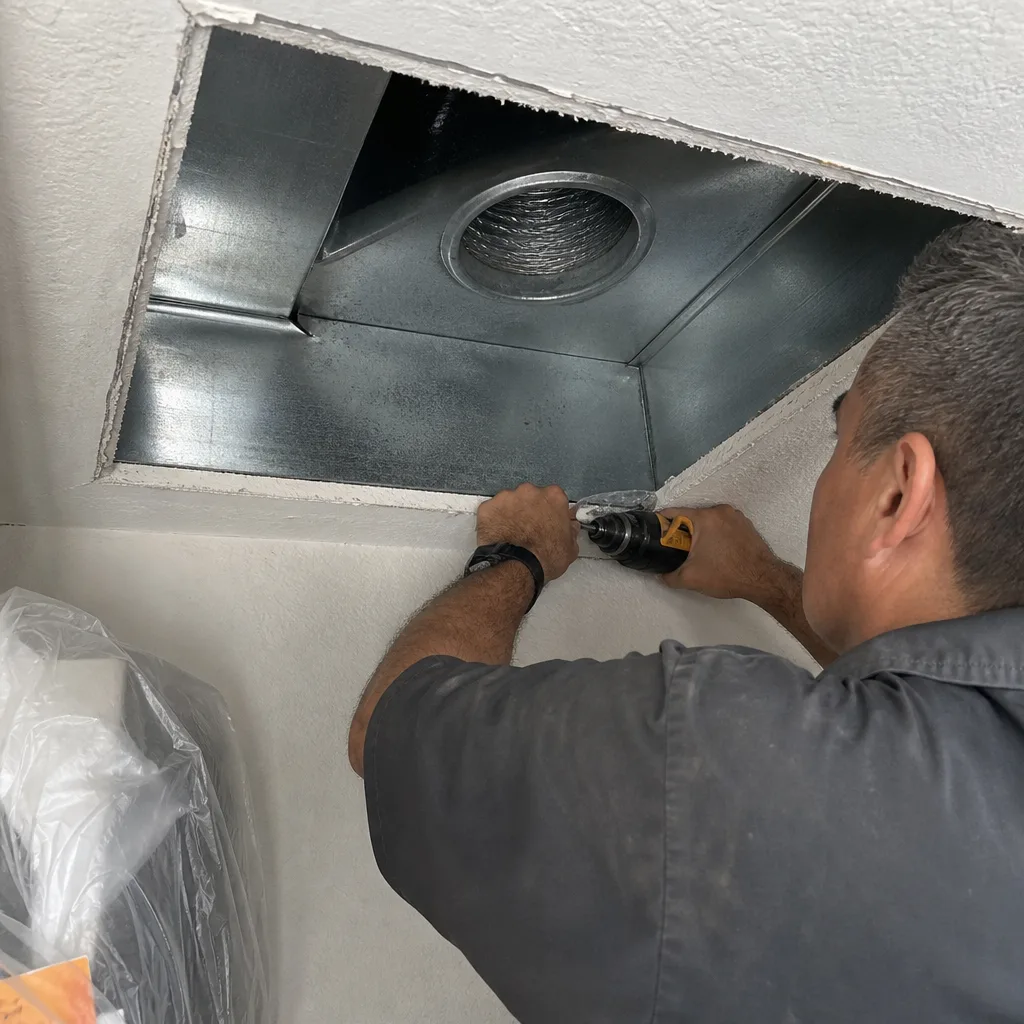
Whole-system duct and dryer vent check with before-and-after photos - you see exactly what came out of your vents
That "$99 whole-house special" is a bait ad - the real number appears once they are in your hallway, or the "clean" is a shop-vac at the register. We photograph the inside of your ducts before and after instead.
Seasonal Air Duct Cleaning Care for Cathedral City: Year-Round Homeowner’s Guide
Cathedral City runs its air conditioning harder and longer than almost anywhere in the continental United States. A system that operates ten-plus months a year doesn’t follow the maintenance schedule printed in a generic national home-care booklet. It accumulates dust, skin cells, pet dander, and wind-blown grit on a timeline dictated by the Coachella Valley’s own rhythms: furnace-like heat waves, summer monsoons, and the annual return of seasonal residents. This guide maps duct care to those real local seasons so you can plan maintenance the way your HVAC system actually experiences Cathedral City, not the way a calendar would suggest.
Styles & brands we work with
- Whole-home duct cleaning
- Dryer vent cleaning
- Camera inspection
- Sanitizing & deodorizing
Quick Answer
In Cathedral City, the highest-value air duct cleaning window is late October through early November, after the cooling season ends and before snowbird occupancy peaks. A second, lighter maintenance check belongs in April before the heat arrives, and a specific inspection protocol follows any summer monsoon that brings blowing dust into your neighborhood. Homes with seasonal vacancy patterns should clean within two weeks of re-occupancy in the fall or winter, since a dormant house allows settled dust to compact inside return ducts and supply runs.
Table of Contents
- How Cathedral City’s Climate Rewrites the Duct-Cleaning Calendar
- The Four Real Seasons of Duct Care in Cathedral City
- Pre-Summer Prep: April and May Before Peak Cooling Load
- Monsoon Period: July Through September Humidity and Debris Intake
- Fall Transition: The Highest-Value Cleaning Window
- Winter and Snowbird Season: Vacancy, Re-Occupancy, and Air Quality
- Wind Event Response: The Post-Haboob Duct Protocol
- Common Mistakes to Avoid
- When to Call a Professional
- Frequently Asked Questions
- The Bottom Line
How Cathedral City’s Climate Rewrites the Duct-Cleaning Calendar
The standard industry recommendation to clean air ducts every three to five years assumes a house in a temperate climate where the HVAC runs a few hundred hours a year. A Cathedral City system runs that many hours in a single month between June and September. Every hour of runtime pulls air across the evaporator coil, through the return duct work, and past the blower, depositing whatever is suspended in that air along the way. When the runtime multiplies by a factor of four or five, the accumulation accelerates at the same rate.
Then there’s the particulate load itself. Cathedral City sits at the western edge of the Coachella Valley, where desert winds carry fine silt, pollen from landscape plantings, and fine sand that finds its way through window screens and door seals. We’ve pulled accumulations out of return plenums in Cathedral City homes that look like fine beach sand compacted into the corners, material that a coastal or mountain home would never see. Add a pet or two, and the dander bond to that desert dust creates a paste that clings to duct walls rather than blowing through.
The result is a maintenance schedule that doesn’t match the national average in either frequency or timing. For context, our Duct Cleaning Cathedral City home page covers the baseline service approach, but the seasonal piece matters because the same house cleaned in March versus November will look very different six months later. Cleaning at the wrong time just means paying twice.
The following sections walk through what happens inside a duct system during each phase of Cathedral City’s actual calendar, what to inspect, and what to have cleaned or addressed before each transition.
The Four Real Seasons of Duct Care in Cathedral City
Cathedral City doesn’t divide neatly into winter, spring, summer, and fall. From the perspective of your ductwork and HVAC system, the year breaks down into four operational phases, each with a distinct contamination profile and maintenance priority:
- Peak Cooling Load (June through September): Maximum runtime, maximum airflow, maximum particulate deposition. The system works hardest when the air outside carries the most suspended dust.
- Monsoon Risk (July through early September): Intermittent humidity and storm activity, which introduces heavier, sometimes damp particulate into the system. This is when biological growth in the evaporator coil drain pan is most likely.
- Snowbird Occupancy Surge (October through April): A doubling or tripling of household activity in many Cathedral City neighborhoods, with more cooking, more laundry, more human dander, and more demand on the system from a dormant state.
- Wind Event Recovery (year-round, but concentrated March through May and again in September through November): Haboobs and high-wind days inject a sudden, dramatic load of fine sand and dust through every exterior penetration, whether the system is actively cooling or not.
Understanding this structure lets you schedule duct work around the transitions where it delivers the most value. The sections below walk through each phase with specific what-to-do guidance, and you can find more guides & resources on our blog.
Pre-Summer Prep: April and May Before Peak Cooling Load
The weeks between mid-April and the third week of May are the last low-stress window before Cathedral City’s cooling systems go into maximum demand. This is not typically the time for a full cleaning, but it is the time for a focused preparation pass that ensures last year’s residue doesn’t get blasted through your home at peak airflow over the next four months.
What to do before the heat arrives:
- Replace the media filter, then plan for the summer change schedule. A fresh filter in May catches the spring pollen and accumulated winter dust before the system ramps up. But don’t assume one filter lasts the summer. In Cathedral City, a filter that works for two months in winter may be clogged in three weeks by July. Inspect monthly.
- Inspect the return grilles visually. You can see the outside face of the return duct system, which means you can see accumulating dust and pet hair before it pulls deeper into the system. Clean the grille face and the first six inches of the return cavity with a HEPA vacuum attachment.
- Look at the indoor evaporator coil, if accessible. A coil coated with last year’s dust and a little mildew from winter condensation will reduce cooling efficiency during peak demand. In our experience, the evaporator coil is where duct contamination starts, since the coil is a wet surface that captures airborne debris that then sheds into the duct work.
- Check the condensate drain line. A clogged line in April becomes a water backup and potential coil area contamination by August. Pour two cups of white vinegar down the drain line before the cooling season begins.
If you find that the return side is carrying visible debris or the airflow from the supply vents feels weaker than it did the previous fall, schedule a full Air Duct Cleaning in Cathedral City before the heat arrives. Running a loaded system at full speed for four months doesn’t improve the situation.
Monsoon Period: July Through September Humidity and Debris Intake
Cathedral City’s monsoon period is less dramatic than what you’d see in Phoenix or Tucson, but the humidity spikes are real and so is the storm-driven dust. The problem for your duct work is not the rain itself; it’s the combination of sudden humidity, dust loading, and the thermal shock of a cold duct interior meeting warm, moisture-laden intake air.
What to monitor during monsoon season:
- Musty odor on startup. This is the single most common complaint we hear in Cathedral City during humid periods, and it almost always traces to the evaporator coil, the condensate pan, or the first few feet of supply duct after the air handler. The odor is produced by biological material that develops when standing water meets high humidity. It doesn’t disappear when the humidity drops, it just dries and becomes dormant.
- Dust accumulation at the supply registers. Storm winds push fine silt against every opening in the building envelope. If you see a light gray dust layer on the register louvers within days of a monsoon storm, that same material has been drawn into the return side of the system at a much higher rate.
- Reduced airflow from specific rooms. Damp dust bonds to duct walls more aggressively than dry dust. A system that pulls in humid, particulate-laden air during a storm event can deposit material in the supply runs that hardens as it dries, partially obstructing airflow to rooms farthest from the air handler.
Post-monsoon inspection sequence:
- Check the filter. If it shows visible dust loading from a single storm event, replace it, even if it was relatively new.
- Stand at each supply register with the system running. Note which rooms feel weak relative to others.
- Open the air handler cabinet, if you can safely access it. Look for standing water in the drain pan and visible mold or dust buildup on the cabinet floor.
- Run the system for ten minutes and sniff at each supply register. Any persistent mustiness indicates moisture-related contamination in the duct work.
If any of these indicators show up, don’t wait until fall. A duct system that has absorbed monsoon moisture and dust can develop hardened deposits that are more difficult to remove later, not less.
Fall Transition: The Highest-Value Cleaning Window
Late October through early November is, in our view, the smartest time to do a full professional duct cleaning in Cathedral City – see our Air Duct Cleaning Cost Breakdown: The Cathedral City Homeowner’s Reference for 2026 for pricing details. Not because the ducts are at their worst at that moment, but because they’re about to be asked to serve a completely different purpose under very different operating conditions.
Here’s the sequence that makes fall the sweet spot:
- The cooling season just ended. The system has spent four to five months running near-continuously, pulling filtered outdoor air and recirculated interior air through the return and supply networks. A full cooling season leaves a measurable deposit on the interior surfaces of the duct work, especially on the return side where the air is unfiltered until it reaches the media filter at the air handler.
- Winter operation is lighter, but the occupancy pattern changes. Many Cathedral City homes see significantly more household activity starting in October and November, as seasonal residents return and interior time increases. More people, more meal preparation, more dust generation, and more hours of system runtime in enclosed conditions.
- The system will cycle between heating and cooling. Cathedral City’s winter operation is not a hard freeze, but a series of heating and cooling cycles through the same duct work, often several times in a single day. This thermal cycling causes particulate deposits to expand, contract, and release from duct walls. That’s the dust you see on the register louvers in December.
A full fall cleaning removes the summer’s accrued load before the occupancy surge pushes more air, more often, through the system. If you’re choosing one cleaning per year, this is the one.
For homes where fall cleaning reveals cracked or separated duct sections, Air Duct Repair in Cathedral City addresses the structural damage at the same time, before winter demands make the problem worse.
Winter and Snowbird Season: Vacancy, Re-Occupancy, and Air Quality
Cathedral City’s winter population swells as seasonal residents return, and this occupancy pattern has a distinct impact on the indoor air environment. A home that sits vacant for six months accumulates dust in a different way than a continuously occupied home. There’s no traffic to keep particulate airborne, so dust settles into the duct work and stays there, compacting into the corners and seams.
Then the house re-occupies, and the system kicks on with full airflow. That settled, compacted dust gets lifted and pushed into the living space. The first place most returning residents notice it is the layer of fine gray dust on horizontal surfaces within three weeks of arriving. It comes from the supply registers, and it was sitting in the duct work while the house was empty.
What returning seasonal residents should do within the first two weeks of arrival:
- Replace the filter, even if the house sitter or property manager reported it was changed. A filter that sat in a vacant house for months has been doing nothing, but the media itself can go stale and degrade in the heat.
- Run the system in fan-only mode for 30 minutes with windows open on the first day back. This purges the standing air from the supply and return runs before you close the windows and start cooling or heating in earnest.
- Check the register faces in the bedrooms that weren’t used during the vacancy. These rooms see the least airflow, so they accumulate the most settled dust in the duct work nearby.
- If you notice a visible dust bloom from the registers during that first fan-only run, schedule a professional cleaning before you settle into the season. The duct system has been dormant and loaded, and running it under daily demand will push that material into your living space, not out of it.
This is also the time to consider adding filtration or air quality equipment. Homes that sit empty for months at a time benefit from a media cabinet with a high-MERV filter, and we routinely pair a fall or winter duct cleaning with a Dryer Vent Cleaning in Cathedral City service for seasonal residents who are about to resume regular laundry loads after months of vacancy.
Wind Event Response: The Post-Haboob Duct Protocol
Cathedral City sits in a wind corridor, and the haboobs that roll through the Coachella Valley are significant events. A single major dust storm can inject more particulate into a home’s HVAC system in one afternoon than six months of normal operation. Most maintenance guides ignore this entirely, and homeowners pay for it.
Why this matters for the duct system specifically:
- Return intakes are negative-pressure zones. When wind pushes against the building envelope, any air pulled into the return side of the system carries the storm’s full particulate load directly into the return duct work and toward the filter.
- Haboob dust is different from seasonal dust. Storm-driven material includes abrasives: silica, fine sand, and hard mineral particles that can scour soft duct walls and damage flexible duct connectors over time.
- The filter catches what it can, but the duct work upstream of the filter takes the hit. Everything before the media filter, including the return plenum and the return branch runs, sees unfiltered storm air.
The Post-Haboob Protocol:
- Within 24 hours, inspect the filter. If it shows a visible, heavy dust loading from a single event, it did its job and is now the best evidence you have of what was in the air. Replace it.
- Look at the return grilles. If you see dust caked into the corners of the grille face, that material came from the conditioned space, meaning the storm blew dust through the building envelope and the return side of the system pulled it in.
- Listen for airflow changes. A storm can shift unsecured duct sections, particularly flexible duct in attics, which are common in Cathedral City homes. If a room suddenly feels weak, that’s a sign something moved or came apart.
- Do a visual check of exposed duct work. In attics and crawl spaces, look for shifted sections, separated tape, or sagging flex runs. Wind pressure against the exterior of the house can create interior pressure differentials strong enough to flex duct joints.
- If the filter was heavily loaded or you find visible grit inside the return registers, schedule a professional assessment. A single major wind event can introduce enough material to justify a targeted return-side cleaning, even if a full system clean isn’t yet due.
We’ve pulled handfuls of fine desert grit from return plenums in Cathedral City after wind events, and we’ve seen the same homes show measurable airflow recovery after that material was removed. The return side is the side that takes the storm, and it’s the side most homeowners never inspect.
Common Mistakes to Avoid
- Following a generic national cleaning schedule. The three-to-five-year recommendation from national sources doesn’t apply to a system running 3,000-plus hours per year in desert conditions. Cathedral City systems simply accumulate faster.
- Cleaning at the wrong time of year. A full cleaning in April means the system goes into peak cooling load clean, and that’s good, but it means re-accumulating the entire summer load with no intervening clean. For most homes, the fall window delivers more value per dollar.
- Ignoring the return side. The supply air is filtered, but the return side of the duct work before the filter is not. That’s where storm dust, pet hair, and airborne debris accumulate, and it’s the part of the system most homeowners never look at.
- Running a clogged filter through a heat wave. A filter that loads up during peak cooling season reduces airflow, which reduces cooling capacity and can cause condensate issues at the coil. In Cathedral City, a July filter inspection is not optional.
- Assuming a vacant house means the ducts stay clean. The opposite is true. Without air movement, dust settles into the duct work and compacts in place. A returning seasonal resident should treat re-occupancy as a trigger for duct attention, not a problem-free restart.
- Ignoring post-storm wind effects on duct connections. A haboob doesn’t just blow dust; it can create interior pressure shifts that move unsecured duct sections in attics. A reduction in airflow to a previously strong room after a wind event is a structural issue worth investigating.
When to Call a Professional
You can inspect, replace filters, and monitor airflow with reasonable effort, but the interior of the duct work is a confined, tool-dependent environment. A professional inspection with camera-equipped equipment can show you what’s actually in the system, which is something no homeowner visual inspection can achieve. If you’ve returned to a Cathedral City home after a seasonal vacancy and find dust blooming from the registers within days, that’s a sign the dormant system has released accumulated debris into the living space, and a professional cleaning is the most direct solution. If a monsoon or haboob has left a visible dust load in the return side, or if you notice musty odors on startup that don’t clear after the system has run for a few minutes, a professional assessment with contractor-grade equipment is the next step. our Air Duct Cleaning services include free estimates in Cathedral City, call (866) 968-5699.
Frequently Asked Questions
In Cathedral City, most homes benefit from a professional air duct cleaning every two to three years, with a strong recommendation to time the cleaning in the fall after peak cooling load. Homes with pets, seasonal vacancy periods, or regular exposure to wind-driven dust may need more frequent attention, and the return side of the system is often the first place to show the need.
No, the desert climate actually creates a more concentrated particulate load, and the dry air allows fine dust to travel further and settle deeper into the duct system. Cathedral City homes consistently show significant dust and debris accumulation in return ducts and supply runs, even in the absence of moisture issues. The combination of high runtime and high dust loading more than offsets the absence of sustained humidity.
Rapid dust accumulation on surfaces after HVAC runtime usually means the interior of the supply side of the duct system is releasing accumulated material into the living space. This is common in Cathedral City after a summer of heavy cooling, when the system has deposited a season’s worth of debris in the duct work that then sloughs off as the system cycles between heating and cooling.
Yes, a significant monsoon event introduces moisture and dust into the system that can create conditions for biological growth and hard deposits in the duct work. If you notice a persistent musty odor from the registers or see visible dust loading on the return grilles during or immediately after the monsoon period, a professional assessment is warranted before the fall transition.
Seasonal residents should replace the filter, run the system in fan-only mode with windows open for thirty minutes on arrival, and check for dust blooms from the registers within the first two weeks. If dust appears, a professional cleaning before settling into the season removes the material that sat in the dormant duct work during the vacancy. Call (866) 968-5699 for an exact quote, estimates are free.
You can inspect and replace the filter, clean the return grille faces, and visually check exposed duct work for damage, but the interior of the duct system requires professional equipment to access and remove accumulated debris. Consumer-grade home vacuums and aftermarket attachments cannot reach the interior surfaces of the supply and return runs where storm-driven dust actually accumulates. A professional team using contractor-grade equipment, like the Rotobrush and Nikro systems our technicians operate, can address the entire duct network rather than the visible mouth of the return.
The Bottom Line
Cathedral City’s duct care schedule is not the national schedule, and treating it as if it were means paying for cleanings that come too early or waiting too long for cleanings that come too late. The real rhythm of the Coachella Valley is peak cooling load, monsoon risk, snowbird occupancy, and wind event recovery, and each phase has its own marker, its own trigger, and its own response. A fall cleaning remains the single highest-value maintenance action for most homes, backed by a pre-summer preparation pass and a post-wind event inspection protocol. If you’re ready to see what’s actually in your system, our team at Duct Cleaning Cathedral City provides free estimates and serves the entire Cathedral City area.
Written by the team at Duct Cleaning Cathedral City, serving Cathedral City since 2012.
See the difference
 Before
 After
 Before
 After
 Before
 After