
Last updated November 2, 2026
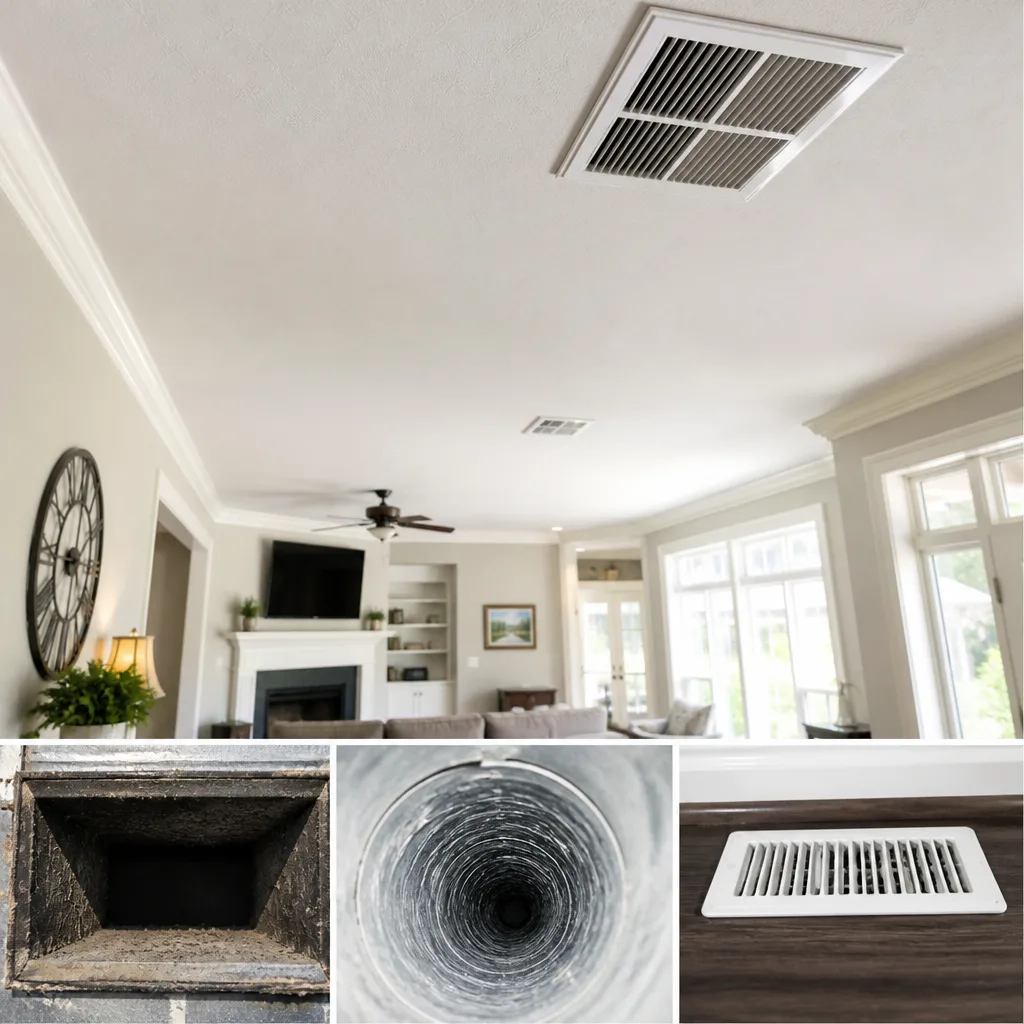 Whole-home duct cleaning
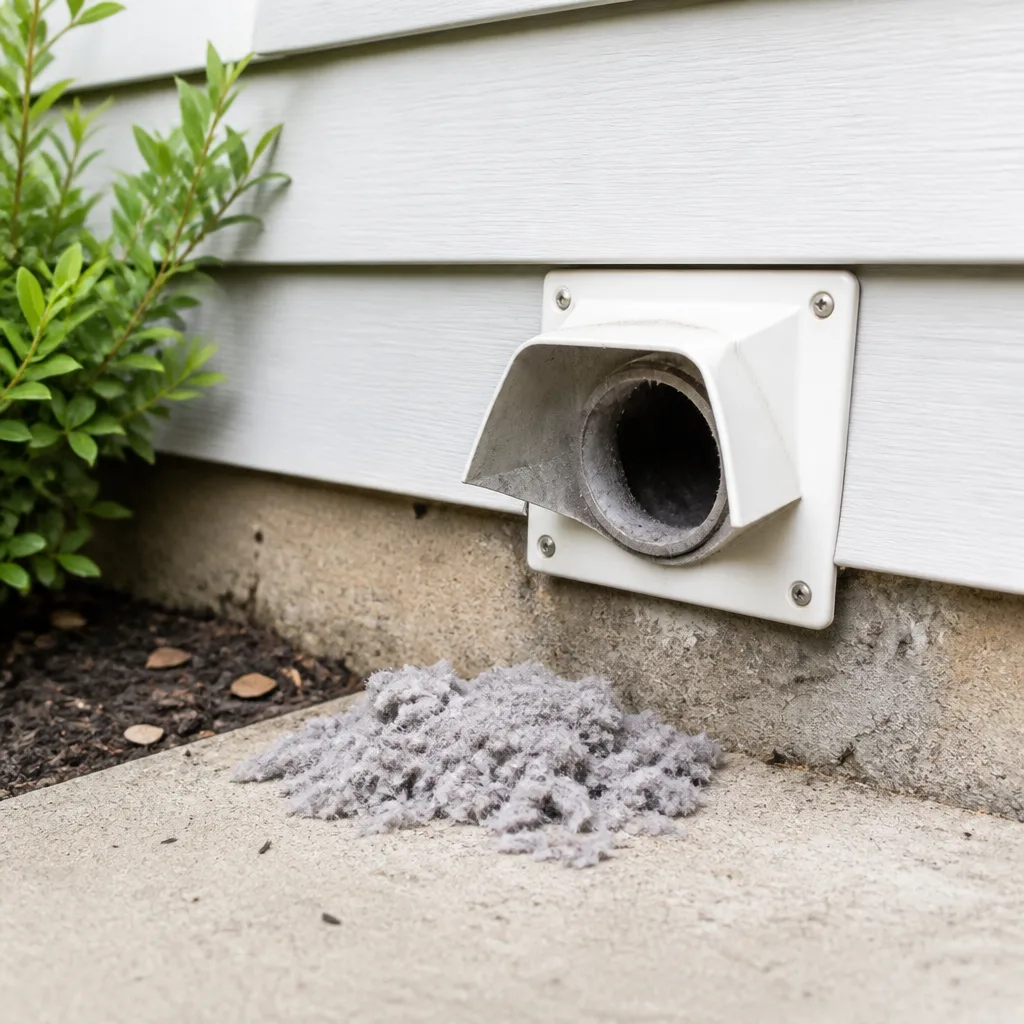 Dryer vent cleaning
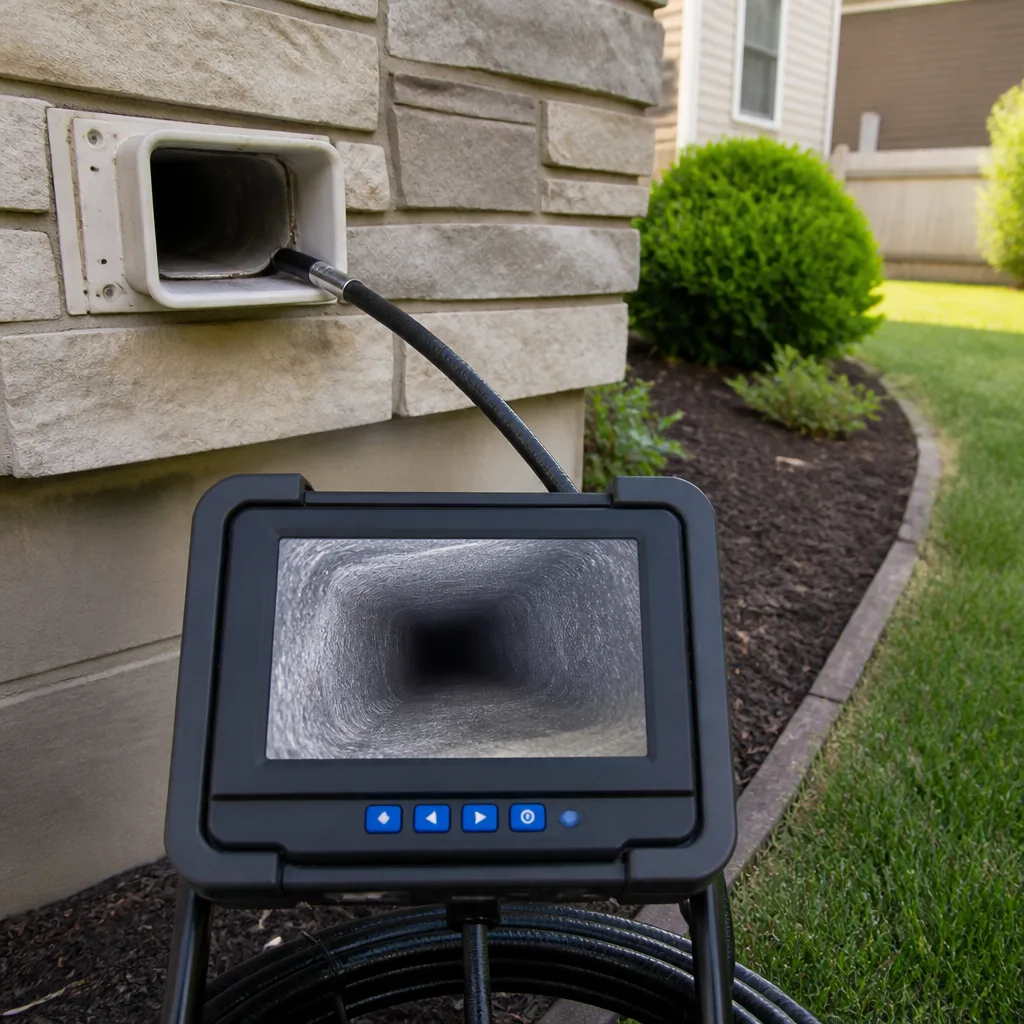 Camera inspection
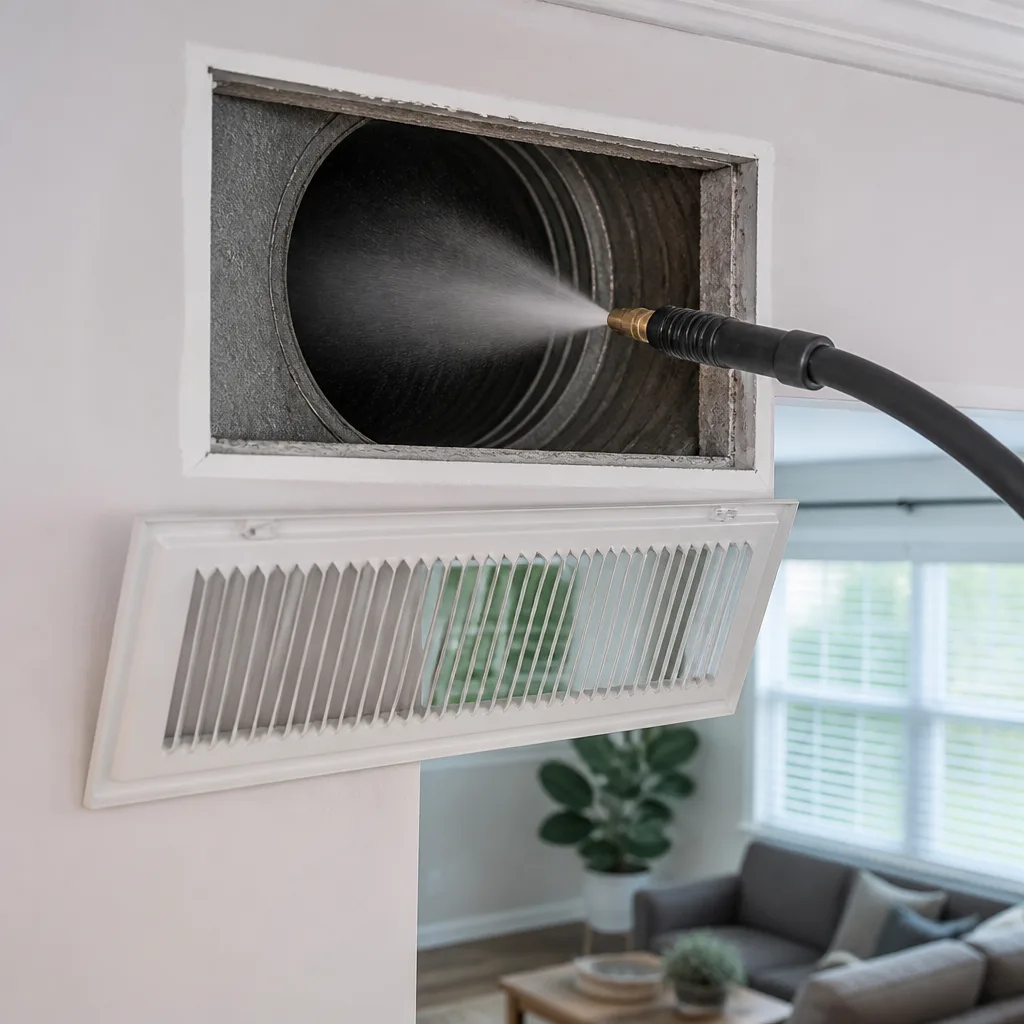 Sanitizing & deodorizing
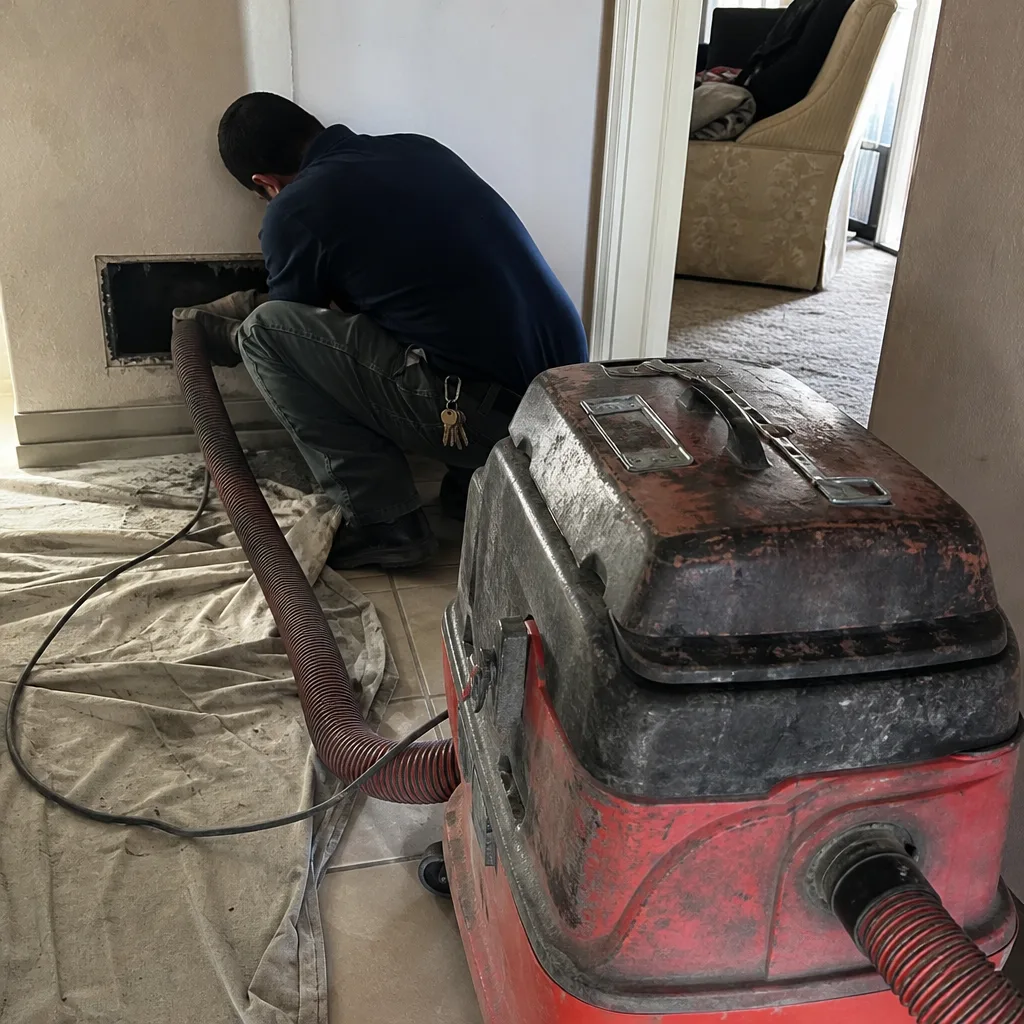
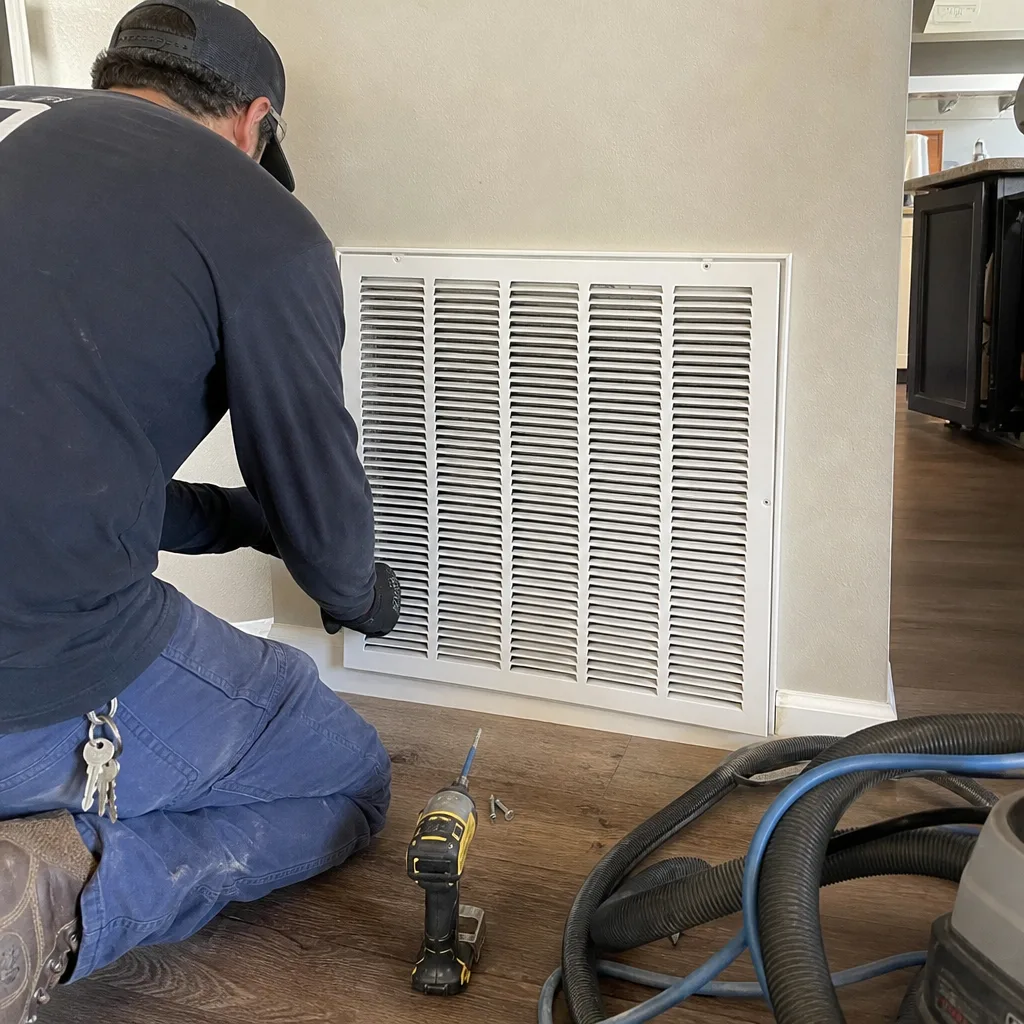
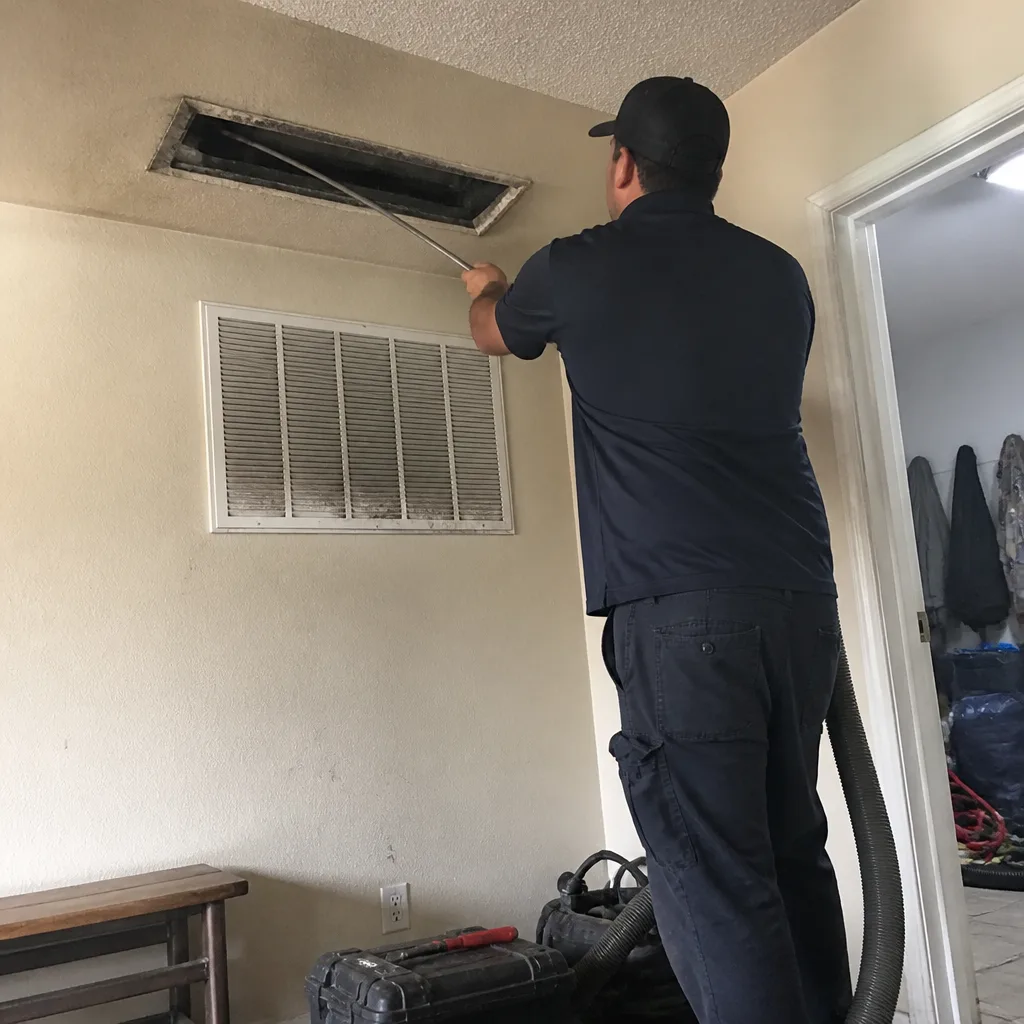
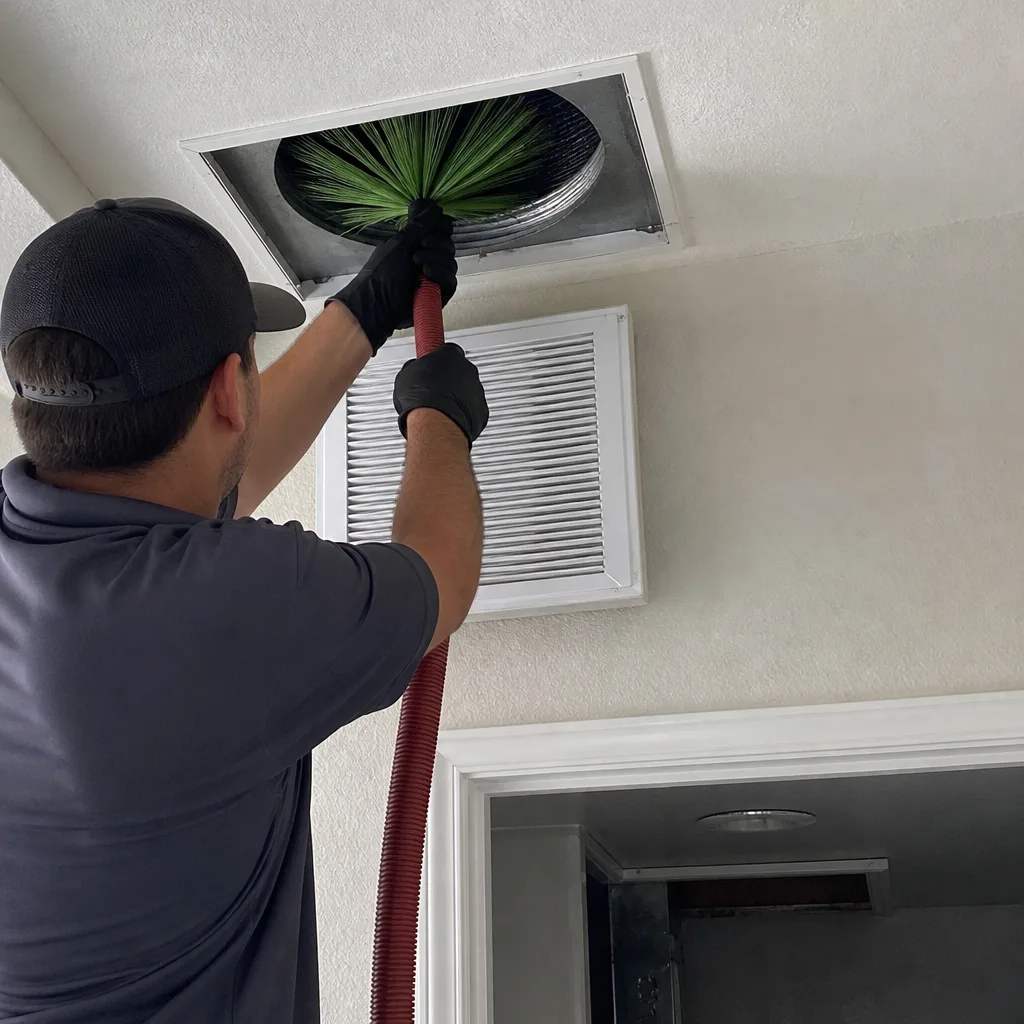
Whole-system duct and dryer vent check with before-and-after photos - you see exactly what came out of your vents
That "$99 whole-house special" is a bait ad - the real number appears once they are in your hallway, or the "clean" is a shop-vac at the register. We photograph the inside of your ducts before and after instead.
Air Duct Cleaning Emergency Preparedness Guide for Cathedral City Homes
During the 2020 wildfire smoke events that blanketed the Coachella Valley, homeowners who ran their AC without checking system integrity were actively pulling smoke-laden air through return systems that couldn’t filter fine combustion particles at the MERV ratings most filters are rated for. The result wasn’t just stale air. It was a duct system that became a reservoir for particulate matter that kept recirculating long after the sky cleared. This guide treats your ductwork as what it actually is during a crisis: the pathway through which every cubic foot of conditioned air reaches your lungs. By the time you finish, you’ll have a working plan for wildfire smoke, haboob dust, and power outages specific to Cathedral City conditions.
Quick Answer
Air duct emergency preparedness in Cathedral City means having a pre-event protocol for shutting down and sealing your HVAC system during wildfire smoke or dust storms, knowing what to inspect before restarting after an extended power outage, and understanding what a professional duct inspection can extract that a filter change cannot. The key is treating your ductwork as a contamination control point rather than a passive air delivery system.
Styles & brands we work with
- Whole-home duct cleaning
- Dryer vent cleaning
- Camera inspection
- Sanitizing & deodorizing
Table of Contents
- Wildfire Smoke Protocol for Cathedral City Homes
- Haboob Dust Events and Duct Vulnerability
- Extended Power Outages: What Happens to Ducts When Airflow Stops
- Post-Emergency Duct Inspection: What Filters Leave Behind
- Duct Sealing Integrity and Protective Benefit During Air Quality Emergencies
- Preparedness Checklist for Wildfire and Monsoon Season
- Common Mistakes to Avoid
- When to Call a Professional
- Frequently Asked Questions
Wildfire Smoke Protocol for Cathedral City Homes
Wildfire smoke isn’t one kind of air pollution. It’s a cocktail of fine particulate matter (PM2.5), volatile organic compounds, and combustion byproducts that behaves differently in a duct system than ordinary household dust. When smoke settles inside ductwork, it doesn’t just sit on surfaces. It adheres to the film of dust and moisture already lining the return and supply runs, bonding with it in a way that makes later removal more involved than a filter swap.
Here’s the sequence we recommend for Cathedral City residents when an air quality alert goes into effect:
- Shut the system down proactively – don’t wait for visible smoke. By the time you see it, particulate is already moving through the return side.
- Seal return intakes temporarily – use painter’s tape and plastic sheeting over wall and ceiling returns if you must run the system at all. This is a stopgap, not a solution.
- Check your filter’s MERV rating before the event – most Cathedral City homes run MERV 8 fiberglass filters because they’re cheap. Those catch hair and lint. They do not catch PM2.5. A standing upgrade to MERV 13, where the blower can handle the static pressure, gives you real filtration during smoke events.
- After the event, run the fan in “on” mode for 30 minutes with a fresh filter before resuming normal cooling – this pushes residual smoke particulate toward the filter rather than letting it settle.
The homes we see in Cathedral City that handle smoke events best are the ones that treat the duct system as part of the shelter-in-place plan, not an afterthought. A professional air duct cleaning in Cathedral City before fire season clears the accumulated dust that smoke would otherwise bond to.
Haboob Dust Events and Duct Vulnerability
Cathedral City sits in a valley that channels wind through the San Gorgonio Pass, and when haboob events roll through, the dust isn’t ordinary household particulate. It’s fine desert silt, silica, and organic matter that measures in the 10-micron range and smaller. That size matters because it’s small enough to bypass a standard filter, but heavy enough to settle inside duct runs when airflow drops.
What we consistently find in post-haboob inspections in Cathedral City homes is dust accumulation concentrated in the return side near the intake grilles, with the heaviest deposits within the first six feet of the main return trunk. The pattern is predictable because it’s physics: the air slows dramatically when it enters the larger cross-section of the trunk, and suspended particles drop out of the air column.
If you ran your AC during a haboob – and most people do, because haboobs arrive fast and leave air conditioners running through them – your system pulled dust through the filter and into the return plenum. Some of it got caught. Much of it didn’t. The practical question isn’t whether dust entered the system. It’s how much accumulation existed before the storm created a starting layer for new material to bond to.
Here’s what a haboob-specific response looks like:
- After a major dust event, change the filter immediately – even if it was changed two weeks ago.
- Vacuum return grilles and the visible portion of return boots – this prevents re-entrainment when the system cycles on.
- Expect reduced airflow for a few days if the system pulled significant dust – loaded coils and blower wheels lose efficiency.
- Schedule a camera inspection if dust is visible on supply registers – that means it traveled the full path and is now being pushed into living spaces.
Dust events are also the moment when a duct repair assessment in Cathedral City makes sense, because a haboob will expose every leak in a return system. If dust is entering through a compromised return, that’s outside air being pulled in unfiltered and unconditioned.
Extended Power Outages: What Happens to Ducts When Airflow Stops
Cathedral City summer outages create a specific failure mode that doesn’t happen elsewhere. When your system stops running in 110-degree heat, the air inside the ductwork doesn’t stay neutral. It stagnates and heats up, and the interior surface temperatures of attic duct runs can climb to 140 degrees or more. That heat does two things: it bakes any accumulated dust and organic matter into a harder, more adherent layer, and it creates condensation when cooling resumes and cold air hits hot duct walls.
That condensation is the problem. The Coachella Valley is dry most of the year, but the interior of a duct system is not. When cold, conditioned air moves through a hot attic duct after an extended shutdown, microscopic condensation forms on the interior surfaces. That moisture combines with baked-on dust to create a surface film that’s harder to remove than loose debris.
Before restarting after an extended outage, here’s the sequence in order:
- Do not turn the system on immediately – give attic duct surfaces 20-30 minutes to acclimate once power returns. Run a fan in the attic if you have one.
- Inspect the filter – if it’s loaded, replace it before start-up. A loaded filter on a hot system restricts airflow and stresses the blower.
- Check supply registers for visible dust or debris – what you see at the register is the last thing the air passed before entering the room, and a useful proxy for what’s deeper in the run.
- Run the fan-only setting for 15 minutes before engaging the compressor – this moves air through the system without adding the cooling load, allowing you to clear any loose particulate while monitoring for musty odors.
A duct cleaning for your Cathedral City home before the summer peak reduces the material that heat and condensation can transform into a stubborn coating inside the system.
Post-Emergency Duct Inspection: What Filters Leave Behind
There’s a persistent assumption that a filter change after a smoke or dust event restores the system to a clean state. That assumption is wrong in ways that are measurable. A filter only captures particulate that’s airborne in the air stream at the moment it passes through the media. Everything that settled out of the air before reaching the filter – in the return boot, the return trunk, the plenum, the blower housing, the evaporator coil – stays where it landed.
A filter change addresses about 15 to 20 percent of what a serious air quality event leaves in a duct system. The rest of it is either adhered to surfaces or accumulated in low-airflow zones waiting to be re-entrained. Here’s what we see in professional extractions that a filter cannot address:
- Smoke residue coating on return trunk walls – this requires agitation, not just negative air, to break the electrostatic bond.
- Fine desert silt packed into return boots and elbows – high-velocity zones where particulate impacts and sticks.
- Debris on the evaporator coil face – this reduces heat transfer and airflow before any filter can intercept it, because the coil sits downstream of the filter in most Cathedral City configurations.
- Blower wheel blade loading – accumulated dust on blower wheel blades reduces the volume of air moved and increases motor amp draw.
When we inspect a system after a major smoke event with equipment like Rotobrush and Nikro systems, we’re looking for a specific profile: surface-adhered particulate, not just loose debris. That profile tells us whether the event pushed the contamination deeper than a routine cleaning would address, and whether a HEPA-filtered negative-air setup is warranted for extraction. For a comprehensive assessment after any air quality event, a professional air duct cleaning in Cathedral City with camera inspection is the only way to know what a filter left behind.
Duct Sealing Integrity and Protective Benefit During Air Quality Emergencies
Every duct system leaks. The question is how much and where, and during an air quality emergency, the answer determines whether your HVAC system is helping or hurting you. A return-side leak pulls unfiltered air from the attic or wall cavity directly into the air stream, bypassing the filter entirely. A supply-side leak doesn’t pull contaminated air in, but it pushes conditioned air into the attic, which creates negative pressure inside the house that then pulls outside air in through every crack and gap in the building envelope.
The net effect of a leaky duct system during a smoke event or haboob is that your home’s indoor air quality degrades faster than the outdoor air, because the system is actively pulling contaminated air in and distributing it. This is counterintuitive only if you assume your system’s job is to provide safety. Its actual job is to move air, and if the path includes leaks, it will move bad air as efficiently as good air.
Here’s how to assess whether your sealing integrity provides any protective benefit during an emergency:
- Check return connections visibly – the return boot where it meets the drywall is the most common leak point. Gaps there pull attic air continuously.
- Look at supply register fit – if registers are loose, the gap between the boot and the drywall is a supply leak path.
- Have a pressure test or smoke test performed – the only way to quantify leakage is to test it. Duct systems in the Coachella Valley routinely test at 20 to 30 percent leakage. A tight system is under 10 percent.
- Seal what you can access – mastic sealant on accessible joints, not duct tape, which fails in attic heat within a few seasons.
For homes that fail the visibility check or test at high leakage rates, air duct repair in Cathedral City brings the system to a state where running the AC during a smoke event is a net positive for indoor air rather than a liability.
Preparedness Checklist for Wildfire and Monsoon Season
The Coachella Valley has two distinct emergency windows: wildfire season, which peaks from late summer through fall when Santa Ana winds align with dry fuel loads, and monsoon season, which brings haboob activity and the occasional flash flood. The preparation for each is different, but the ductwork items overlap considerably. Here’s what a Cathedral City homeowner should have in place before either season begins:
- Two or more spare filters in the correct size, stored in the garage – one MERV 8 for normal operation and one MERV 13 for smoke events, if your blower handles the pressure drop. A loaded MERV 13 filter on an undersized return can freeze a coil, and we see that every year.
- Painter’s tape and plastic sheeting – for temporary return sealing if you must run the system during a heavy smoke event.
- A recent duct inspection result – knowing the current condition of your system means you can make decisions during an emergency instead of reacting blindly.
- The number of a duct specialist saved in your phone – because after an event, the window to schedule professional cleaning before seasonal demand spikes is short.
- Evidence of the system’s baseline condition – before-and-after photos of duct interiors from a camera inspection. This documentation helps you determine whether changes you’re seeing after an event are new or pre-existing.
- A plan for the dryer vent – wildfire season and monsoon season both create conditions that load dryer vents faster. A restricted dryer vent is a fire hazard independent of the duct system, and a dryer vent cleaning in Cathedral City is a standing item on our pre-season checklist.
Stocking filters and sealing returns are things you can do yourself. What you can’t do yourself is remove particulate that’s bonded to duct interior surfaces, and that’s the item most homeowners discover only after the event.
Common Mistakes to Avoid
- Running the system during a smoke event because the filter will “handle it.” – A MERV 8 filter handles large particles. It does not handle combustion particulate, and the false confidence means contaminated air moves through the house for hours or days.
- Changing the filter after a haboob and considering the system clean – the filter caught what it caught. The dust that settled in the return trunk before reaching the filter is still there, and it will re-enter the air stream the next time the blower runs.
- Restarting the system immediately after a summer power outage – hot attic duct surfaces and the condensation cycle we covered above turn dry dust into an adherent film best avoided by a brief fan-only run first.
- Using duct tape on return leaks – duct tape fails in attic heat, and in Cathedral City attics, that failure happens fast. Mastic is the correct material for anything you seal permanently.
- Ignoring the dryer vent during wildfire and dust season – a loaded dryer vent is a fire hazard, full stop. It’s also a path for outside particulate to enter the laundry space whenever the dryer isn’t running.
- Assuming a recent duct cleaning means the system is protected during an emergency – a clean system accumulates new material continuously, and the volume of particulate during a smoke or dust event overwhelms normal accumulation rates completely.
- Waiting until the event is over to schedule professional inspection – by then, the post-event scheduling rush is underway, and the contamination has had time to settle and bond.
When to Call a Professional
If you see visible dust on supply registers after a dust storm, notice a persistent smoke odor weeks after a fire event, or detect reduced airflow that doesn’t resolve with a filter change, the system needs a professional inspection. Those are signs that particulate has moved beyond the filter and into the distribution side, which is not a filter-change problem. If a summer outage lasted more than 24 hours and you noticed a musty odor on restart, the condensation cycle we described has likely already created surface conditions worth inspecting. After any event that pushed noticeable particulate into the home, a camera inspection is the only way to see what’s actually in your system. Duct Cleaning Cathedral City offers free estimates in Cathedral City – call (866) 968-5699.
Frequently Asked Questions
Most Cathedral City homes benefit from a professional air duct cleaning every 3 to 5 years under normal conditions, but homes that experience multiple dust events, smoke exposure, or have pets, smokers, or recent renovation work may need annual service. The desert environment accelerates dust accumulation compared to coastal climates, so the 3-5 year national guideline is a ceiling here, not a floor.
A MERV 13 filter provides meaningful filtration for fine combustion particulate, but not every system in Cathedral City can handle the increased pressure drop without sacrificing airflow and risking coil freeze. Before upgrading, verify your return duct sizing can support the filter. A MERV 8 filter is insufficient for smoke events but acceptable for normal operation. If you cannot run MERV 13, the best protection is shutting the system down and sealing returns during active smoke events.
You can vacuum the accessible portions – return grilles, register faces, and visible boots. What you cannot do is clean the interior surfaces of the trunk lines and branches, where the majority of haboob dust settles. Those surfaces require agitation equipment and negative air pressure to extract particulate without redistributing it through the house. Professional systems like Rotobrush and Nikro use mechanical agitation paired with vacuum extraction, which a shop vac cannot replicate.
The visible checks are return boot gaps and loose registers, but the only definitive answer is a pressure test. Systems that test above 15 percent leakage should be sealed before any air quality event because the unfiltered air intrusion negates the benefit of running the system. If you can see gaps or light around return connections, assume the leakage affects your indoor air during dust and smoke events.
A standard cleaning removes accumulated dust and debris using mechanical agitation and negative air. A post-emergency extraction after wildfire smoke or a major haboob may involve more aggressive agitation to break adhered particulate bonds and HEPA-filtered negative air to prevent redistribution. The difference is equipment selection and time, and it’s determined by what the camera inspection reveals. Systems with smoke residue require a different approach than systems with routine dust accumulation.
Yes, and the connection is fire risk. A dryer vent cleaning in Cathedral City removes accumulated lint that restricts airflow and creates the conditions for a dryer fire, and during dust events, desert particulate adds to that accumulation faster than lint alone. The US Fire Administration identifies clogged dryer vents as a leading cause of residential dryer fires, and in a climate that adds wind-blown dust to the lint load, the risk compounds. This is a seasonal maintenance item, not an optional one.
The Bottom Line
Your duct system is the only infrastructure in your Cathedral City home that touches every room and every breath, and it’s the only one most people never think about until it fails. Wildfire smoke, haboob dust, and summer power outages are not hypothetical scenarios in the Coachella Valley – they’re seasonal certainties, and each one interacts with your ductwork in a specific, predictable way. The preparation is straightforward: know your filter rating, seal what you can access, keep a spare filter stock, have a professional inspection on file, and know who to call when the event is over. The alternative is running contaminated air through a system you assume is protecting you, and that assumption fails exactly when you need it most.
Written by the team at Duct Cleaning Cathedral City, serving Cathedral City since 2012.
See the difference
 Before
 After
 Before
 After
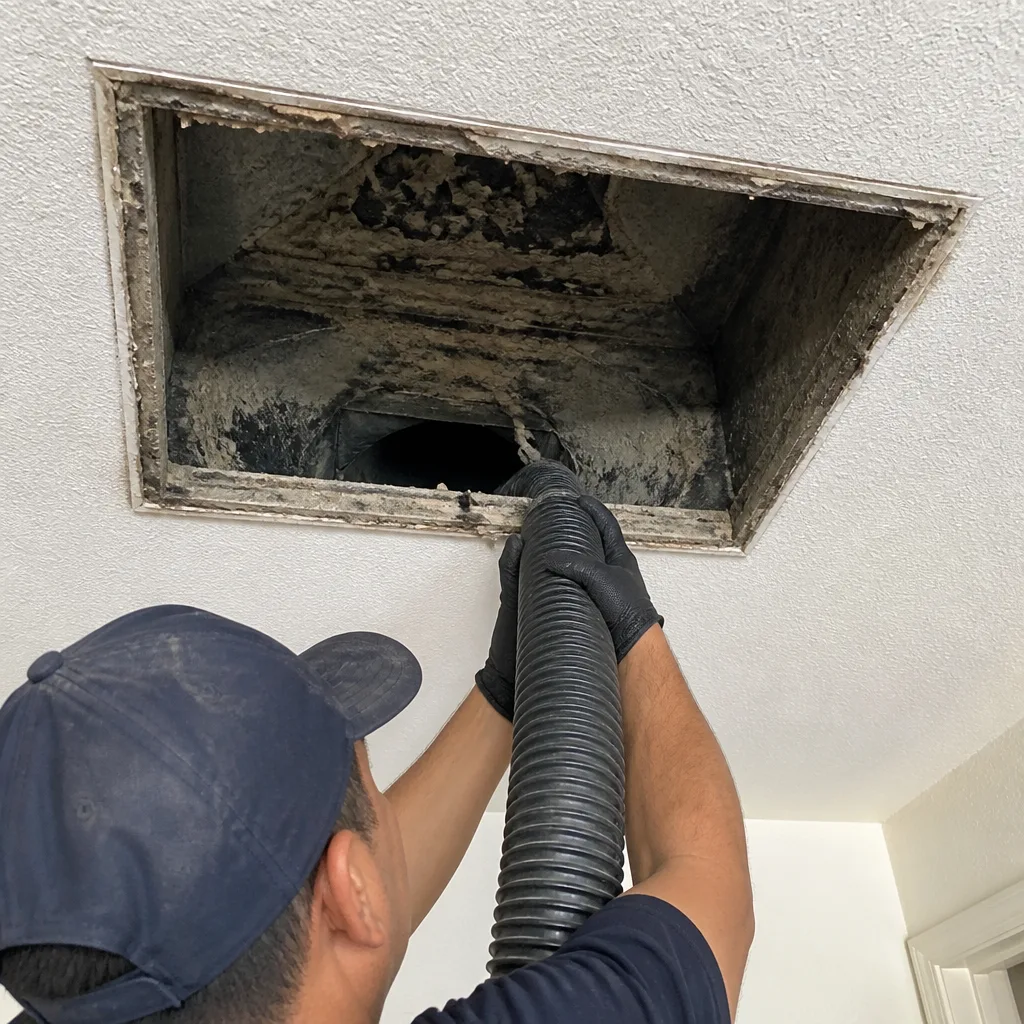 Before
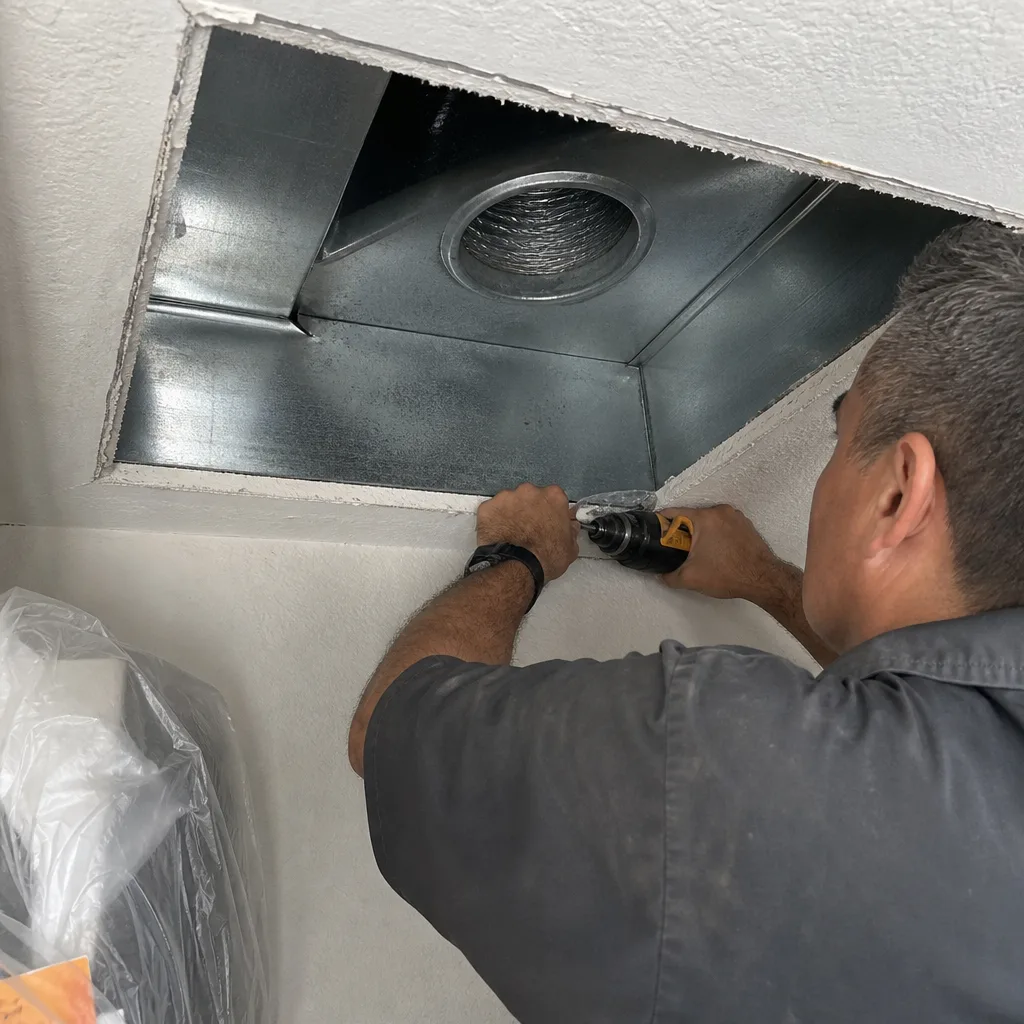 After